How to Choose the Right Arrester Blanket for Your Needs?
Choosing the right Arrester Blanket can be challenging. These blankets play a crucial role in mitigating the impact of electrical surges. When selecting one, understanding your specific needs is vital. Various factors, such as material and size, influence effectiveness.
Not all Arrester Blankets are equal. Some are designed for high-voltage environments, while others suit lower energy applications. The choice should reflect your operational context. Often, people overlook the importance of compatibility with existing systems. This mistake can lead to increased risks and reduced performance.
Consulting with experts can help clarify which blanket meets your requirements. It's essential to weigh your options thoroughly. A well-chosen Arrester Blanket not only protects equipment but also boosts overall safety. Take time to explore different products. A thoughtful selection process ensures long-term reliability and protection against electrical hazards.
Understanding the Purpose of Arrester Blankets in Electrical Systems
Arrester blankets play a vital role in electrical systems, serving as a protective measure during adverse weather conditions. They are designed to shield arresters from environmental factors like lightning strikes and high winds. Understanding their purpose is essential for ensuring reliable performance in electrical setups.
When choosing an arrester blanket, consider the specific needs of your system. The materials used in the blanket, such as thermal insulation and weather resistance, greatly influence effectiveness. A well-chosen blanket can prevent moisture accumulation, which is crucial for maintaining electrical integrity. However, not every blanket suits every environment. Reflecting on past experiences with different types may help.
Installation techniques vary, impacting the performance of the blanket. Incorrect placement can lead to failures, potentially causing downtime or equipment damage. It’s essential to evaluate previous installations and learn from mistakes. This reflection guides you to make more informed choices in the future, ensuring that your electrical system remains safe and efficient.
Key Features to Consider When Choosing an Arrester Blanket
When selecting the ideal arrester blanket, several key features should guide your choice. One critical aspect is the material used in the blanket's construction. Make sure it can withstand high temperatures and is durable. Look for fire-resistant fabrics. This will enhance safety when used in various environments.
Consider the size of the blanket. A properly sized blanket provides better coverage and increases its effectiveness. Measure the area where you intend to use it. It should adequately cover all necessary equipment.
Tips: Always check the specifications. Compare them with your requirements. This prevents mismatches that could lead to accidents. Additionally, account for the weight of the blanket. A heavier blanket may be more robust, but it can also be cumbersome.
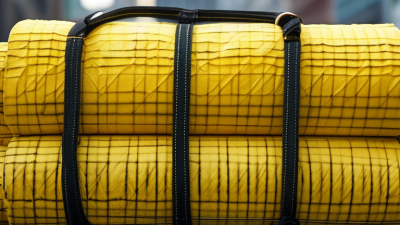
Also, look for additional features. Some blankets may come with straps or handles, making them easier to deploy. Reflect on how often you'll use the blanket; this can influence material and design choice.
Lastly, consider your budget in relation to quality. Sometimes, cheaper options might lack essential features. Investing in a reliable arrester blanket can save you money in the long run.
Types of Materials Used in Arrester Blankets and Their Benefits
When selecting an arrester blanket, the material plays a crucial role in its effectiveness. Commonly used materials include fiberglass, Kevlar, and polyester. Fiberglass offers excellent heat resistance. It can withstand high temperatures, making it suitable for various applications. However, it may lack flexibility. Kevlar, known for its strength, provides superior protection against projectiles. It is lightweight, enhancing maneuverability. Yet, its cost can be higher than other options.
Polyester is a popular choice for many due to its balance of durability and affordability. It is less heavy but still effective in energy absorption. Users may find polyester easier to handle in field conditions. Each material has its unique benefits and drawbacks. For instance, while fiberglass resists flames, it doesn't offer flexibility like Kevlar.
Choosing the right material requires careful consideration. Think about the environment and specific needs. Reflecting on how often you will use the blanket can help guide your choice. If you expect extreme conditions, investing in high-quality materials is wise. If cost is a concern, polyester may suffice in less demanding situations.
Choosing the Right Arrester Blanket: Material Types and Their Benefits
Assessing Size and Fit for Your Specific Application Needs
When selecting the right arrester blanket, size and fit are critical. An improper fit can undermine the blanket's effectiveness. According to industry standards, a blanket should cover the entire equipment area that requires protection. Check the dimensions of your equipment before making a selection. Many experts recommend allowing for an extra 10% in coverage to ensure no gaps remain.
Tip: Measure your equipment accurately. Use a tape measure and document your findings to avoid mistakes later. Don’t skip this step, as measurements directly affect the blanket's ability to provide safety.
Consideration of thickness and weight is also important. A thicker blanket generally offers better protection. However, it may be challenging to maneuver. Reports indicate that 30% of accidents are attributed to equipment being improperly covered. It's vital to balance protection with usability.
Tip: Think about where you will use the blanket. If access is tight, a lighter blanket might be necessary, but ensure it still meets safety standards. Reflect on your operational needs to make the best choice. The right arrester blanket enhances safety and efficiency.
Evaluating Cost and Durability for Long-Term Use of Arrester Blankets
Choosing the right arrester blanket involves careful consideration of both cost and durability. According to industry reports, high-quality arrester blankets can range from $200 to $900. It’s essential to evaluate your budget against the expected lifespan of the blanket. Durable materials tend to have a greater upfront cost but provide long-term savings.
When assessing durability, look for materials like fiberglass and specialized polymers. These can significantly withstand harsh conditions and extend the blanket's life. A study indicated that blankets made of premium materials could last up to 10 years, reducing replacement costs.
Tips: Always request testing data from manufacturers. Verify claims about durability through independent performances. Confirm warranties that align with the expected usage. Remember, an initially cheaper blanket may not be cost-effective in the long run. Carefully balance price against the longevity of the product to avoid unexpected expenses.