Why is a Pressure Vacuum Relief Valve Essential for Safety?
In industrial applications, the importance of a Pressure Vacuum Relief Valve (PVRV) cannot be overstated. According to a recent report by the American Petroleum Institute, improper pressure management can lead to catastrophic failures. Safety professionals emphasize that a reliable PVRV is essential for preventing dangerous overpressure and vacuum conditions in storage tanks.
Dr. Jane Thompson, an expert in pressure safety systems, states, "The integrity of a system relies heavily on effective pressure management." Her insights highlight the critical role PVRVs play in protecting personnel, equipment, and the environment. In fact, failures related to inadequate pressure control have increased by 30% over the past decade, underscoring the necessity for robust safety measures.
With the rising stakes of chemical storage and processing, overlooking PVRV function is a risk too great to ignore. Ensuring these valves operate correctly can significantly reduce accident rates. However, many facilities still delay maintenance or leave these systems untested. The need for ongoing education and adherence to established safety protocols is vital. Pressure Vacuum Relief Valves are not just components; they are lifelines in maintaining safety and security in the industry.
Understanding the Function of Pressure Vacuum Relief Valves
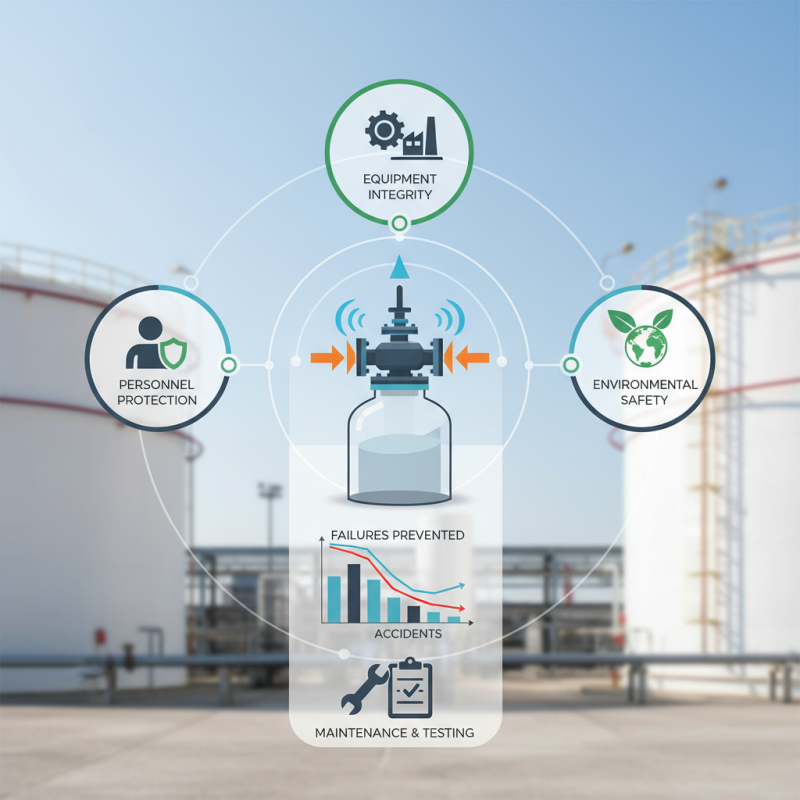
Pressure vacuum relief valves (PVRVs) play a crucial role in maintaining safety within storage tanks. These devices help control internal pressure during filling and emptying processes. When liquid is introduced or removed, a vacuum can form, risking tank collapse or an explosion. PVRVs prevent these dangerous situations by allowing air to enter the tank when it’s being drained and releasing vapors when it’s being filled.
Understanding how PVRVs function is essential for safety management. They operate by balancing internal tank pressure with external atmospheric pressure. If pressure exceeds preset limits, the valve opens to release excess gas or vapor. Conversely, if a vacuum forms, the valve allows air to enter, equalizing pressure. This mechanism is vital during tank operations and prevents hazardous scenarios. Misconfigurations or neglect can lead to costly consequences, underscoring the need for regular maintenance and checks.
While PVRVs are reliable, operators must be aware of their limitations. Damage or dirt can impede functionality. Routine inspections are necessary to ensure these valves work properly. An overlooked valve could lead to severe incidents, making knowledge of their operation indispensable. Understanding PVRVs enhances not only compliance but also overall facility safety.
The Role of Pressure Vacuum Relief Valves in Safety Systems
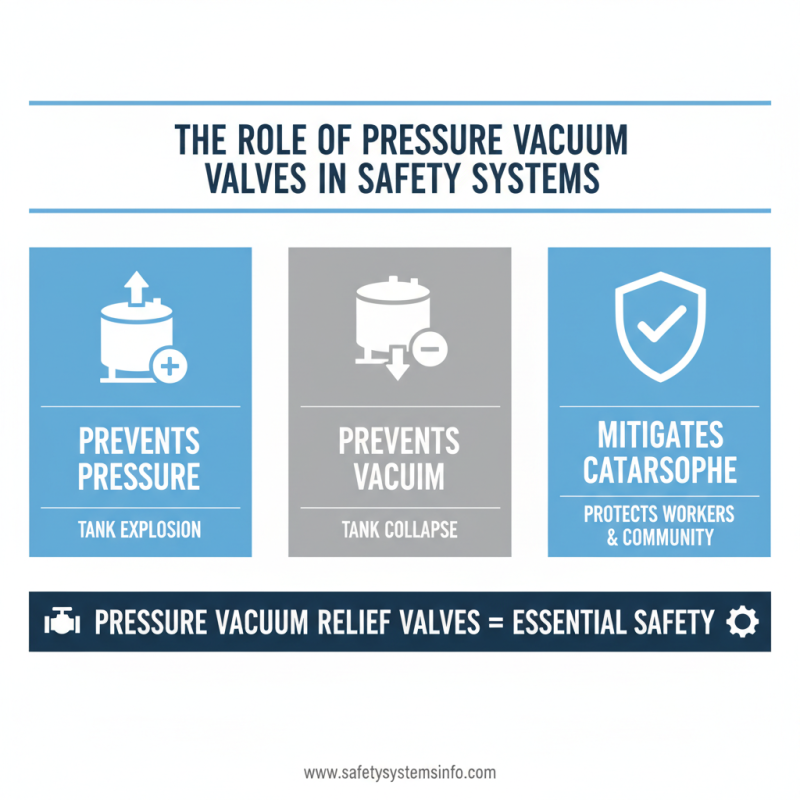
Pressure vacuum relief valves play a crucial role in safety systems, especially in industrial environments. These valves prevent the buildup of excessive pressure or vacuum in storage tanks. Without them, tanks can collapse or even explode. This scenario can lead to catastrophic accidents, endangering workers and the surrounding community.
When a tank's internal pressure rises, the relief valve opens. It allows excess vapor to escape, stabilizing the pressure. Conversely, during a rapid cooling, a vacuum could form. A functional relief valve responds promptly, preventing structural failure. It's essential to have these valves properly maintained. An oversight can lead to unreliable performance, compromising overall safety.
In many cases, organizations underestimate the importance of these valves. Some may neglect regular inspections or replacements, thinking everything is fine. This mentality can be dangerous. A small malfunction can escalate into a significant issue. Investing in reliable safety systems is not merely compliance; it is about preventing tragedies.
Common Applications of Pressure Vacuum Relief Valves in Industries
Pressure vacuum relief valves play a critical role in various industrial applications. These valves ensure safe storage and transportation of liquids and gases. In the chemical industry, they protect tanks from excessive pressure and vacuum. A malfunctioning valve can lead to tank failure or even explosion. Ensuring these valves function correctly is vital for plant safety.
In the petroleum sector, pressure vacuum relief valves prevent vapor loss during loading and unloading. They also help manage the pressure changes caused by temperature fluctuations. Any oversight here can result in operational inefficiencies or environmental hazards. Industries must regularly inspect and maintain these valves to guarantee their reliability.
Moreover, in the food and beverage sector, these valves ensure that storage tanks operate within safe limits. They help prevent contamination from external elements. The impact of an improperly functioning valve could compromise product quality. Thorough knowledge of these devices is essential for all industrial operators.
Common Applications of Pressure Vacuum Relief Valves in Industries
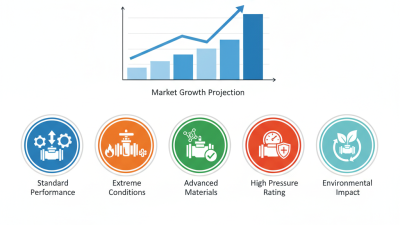
Pressure Vacuum Relief Valves are critical for safety in various industrial applications. The following chart illustrates the common applications and their respective usage percentages.
Consequences of Failing to Use Pressure Vacuum Relief Valves
Pressure vacuum relief valves are crucial devices found in storage tanks and systems handling volatile liquids. They protect against overpressure and vacuum conditions. Without these valves, catastrophic failures can occur. When pressure builds up too high, it can lead to tank rupture. Conversely, if a vacuum forms, structural failure can happen.
The consequences of neglecting these valves can be severe. A storage tank without proper protection can collapse, causing devastating spills. This not only affects the environment but also poses significant risks to surrounding communities. Incidents can lead to costly cleanups and damages. The safety of workers and residents might be compromised.
Many facilities overlook regular maintenance of these valves. This neglect can result in malfunction when they are most needed. Regular inspections are essential for ensuring they function properly. The risks associated with failure are substantial and cannot be ignored. Evaluating the current safety protocols is vital to prevent potential disasters.
Why is a Pressure Vacuum Relief Valve Essential for Safety?
| Dimension |
Description |
Consequence of Not Using PV Relief Valves |
| Pressure Regulation |
Maintains safe operational pressure within tanks. |
Risk of tank rupture or explosion due to overpressure. |
| Vacuum Protection |
Prevents vacuum conditions that can collapse tanks. |
Structural damage to tanks and possible product loss. |
| Environmental Safety |
Reduces risk of hazardous material release. |
Potential environmental contamination and legal repercussions. |
| Emergency Venting |
Allows for safe venting during abnormal conditions. |
Failure to vent can lead to catastrophic failures. |
| Cost Efficiency |
Reduces maintenance and insurance costs by ensuring safety. |
Higher costs due to accidents and equipment failure. |
Best Practices for Maintenance and Inspection of Pressure Vacuum Relief Valves
Maintaining a pressure vacuum relief valve (PVRV) is crucial for ensuring safety in facilities. Regular inspections can help identify potential issues before they become severe problems. Professionals recommend checking the valve for leaks or mechanical defects at least once a year. Over time, wear and tear can compromise the valve’s function. A proactive approach to inspection helps in avoiding catastrophic failures.
Tips: Always document your inspection results. This helps track performance over time and aids in understanding any patterns that arise. Additionally, consider using a checklist during inspections. This ensures no detail is overlooked.
Training staff on how to recognize early warning signs is vital. They should understand the importance of PVRVs and how failures can lead to hazardous situations. Although people often overlook the valves, their role is indispensable. Regular maintenance may seem tedious but is essential in ensuring reliable operation.
Tips: Schedule refresher training for your team. An informed staff can make all the difference in a crisis. Create an environment where communication about valve condition is encouraged, reducing risks proactively.