Essential Tips for Choosing Pilot Operated Diaphragm Valves?
When considering a pilot-operated diaphragm valve, understanding its applications is crucial. These valves are widely used in industries like water treatment, chemical processing, and pharmaceuticals. Their reliability and precision make them a popular choice.
Choosing the right pilot-operated diaphragm valve can be challenging. Many factors can influence performance, including pressure ratings, flow rates, and materials. Evaluating these aspects requires experience and knowledge in valve specifications, which can be daunting for newcomers.
It’s essential to reflect on both the technical requirements and the specific needs of your application. Mistakes in selection might lead to inefficiencies. Don’t overlook the importance of maintenance and compatibility. Every detail matters when aiming for optimal valve performance in your system.
Understanding Pilot Operated Diaphragm Valves and Their Applications
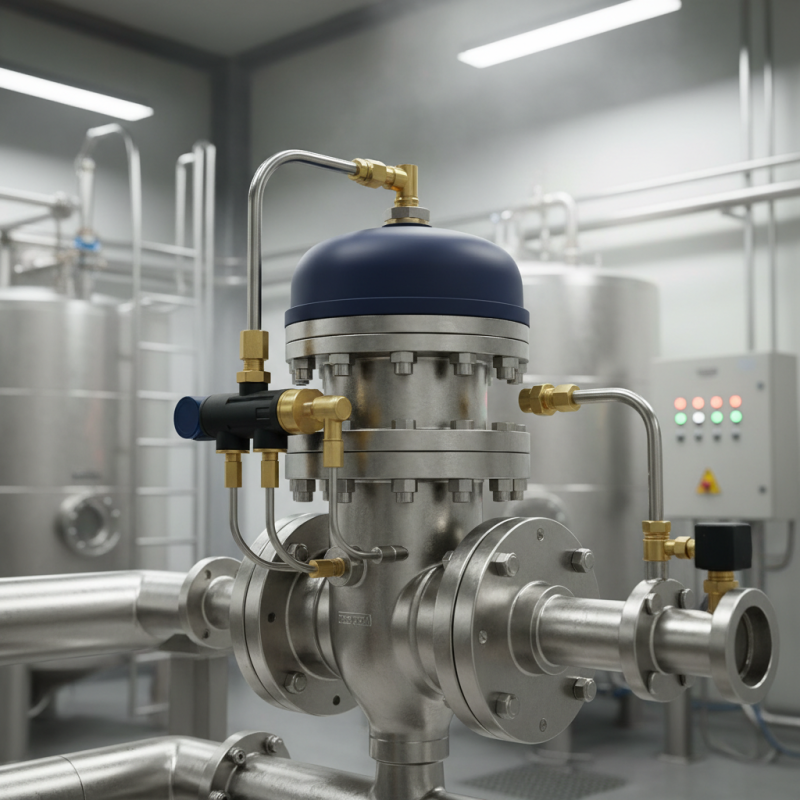
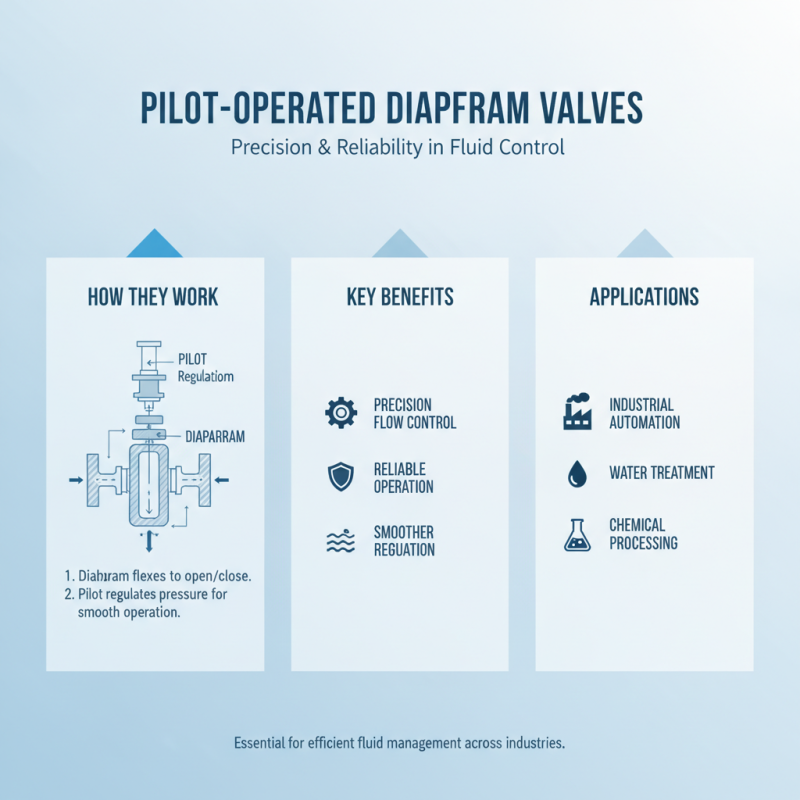
Pilot operated diaphragm valves are integral components in numerous industrial applications. They control fluid flow with precision and reliability. Understanding their operation is crucial for effective use. These valves consist of a diaphragm that flexes to open or close the flow path. The pilot mechanism regulates the pressure, allowing for smoother operation.
Applications span across water treatment, pharmaceuticals, and gas handling. In water treatment, for example, they manage the flow of chemicals. Their ability to handle corrosive substances is vital. In the pharmaceutical industry, contamination prevention is paramount. A well-functioning diaphragm valve ensures product safety and integrity.
Choosing the right valve involves considering various factors. Material compatibility is essential for performance. It helps avoid leaks and maintain system efficiency. Additionally, examining the operating pressure and temperature range is important. Each application may have unique requirements that affect valve selection. Regular maintenance of these valves is necessary too, as wear can lead to possible failures or inefficiencies. Design flaws or unsuitable materials might cause malfunctions. Proper understanding is key to successful implementation and utilization.
Key Selection Criteria for Pilot Operated Diaphragm Valves
When selecting pilot operated diaphragm valves, key criteria are crucial. The material compatibility is critical, especially in demanding applications. Valves made from suitable materials ensure longevity and effectiveness. According to industry data, about 40% of valve failures arise from material mismatches. Understanding the media being controlled is vital in making informed decisions.
Another important factor is the valve sizing. The correct sizing impacts flow rates and pressure drops significantly. An improperly sized valve can lead to inefficiencies. Reports indicate that valve sizing errors account for 30% of operational issues in industrial settings. It's essential to analyze the specific requirements of your system to avoid these pitfalls.
Additionally, the actuation type presents implications on operational efficiency. Pneumatic and hydraulic actuators each have unique advantages. For instance, pneumatic actuators are known for speed, while hydraulic actuators provide robust force. Data suggests that performance can fluctuate by up to 20% based on the actuation choice. Thus, understanding your process dynamics is critical for optimal valve performance.
Material Considerations in Choosing Diaphragm Valves
When selecting diaphragm valves, material choice is critical. The valve's material directly affects its durability and performance. Many reports indicate that nearly 70% of valve failures stem from unsuitable materials. Therefore, understanding the service conditions is essential.
For aggressive media, materials such as PTFE or EPDM are often recommended. These materials offer excellent chemical resistance. Yet, users should note that temperature fluctuations can affect performance. For instance, EPDM may degrade at high temperatures, leading to potential leaks. This means users need to weigh the operating environment carefully.
Additionally, the compatibility of materials with the specific application cannot be overstated. According to industry studies, improperly selected materials can lead to costly downtime. In some cases, this means halting production for days. Proper evaluation and vendor consultation can mitigate these risks. Investing time in selecting the right diaphragm material is wise for long-term reliability.
Essential Tips for Choosing Pilot Operated Diaphragm Valves - Material Considerations
| Material |
Corrosion Resistance |
Temperature Range (°C) |
Pressure Rating (psi) |
Application Suitability |
| PVC |
Good |
-10 to 60 |
150 |
Water, Chemicals |
| Stainless Steel |
Excellent |
-196 to 800 |
3000 |
Food, Pharma, Oils |
| Brass |
Moderate |
-20 to 120 |
150 |
Gas, Water |
| Polypropylene |
Good |
-20 to 80 |
150 |
Chemicals, Water |
| Titanium |
Excellent |
-250 to 400 |
4000 |
Aerospace, Chemical |
Evaluating Pressure and Flow Requirements for Optimal Performance
When selecting pilot operated diaphragm valves, evaluating pressure and flow requirements is crucial. According to a recent industry report, valves operating under pressure variations significantly impact overall system efficiency. Typically, a valve’s performance is directly related to the system pressure. Insufficient pressure may lead to inadequate flow, while excessive pressure could risk damage to the valve and connected equipment.
In applications necessitating precise flow control, it is vital to consider the valve's pressure rating. Most diaphragm valves can operate in a range of 10 to 300 psi but may perform best at their mid-range capacity. Ensuring that the operating conditions match the valve specifications maximizes efficiency. Notably, studies indicate that pilot operated valves can improve flow rates by up to 30% compared to standard valves under equivalent conditions.
However, not all applications are the same. Variability in media types, temperature, and environmental factors can influence performance. For instance, corrosive fluids may necessitate special materials, affecting operational integrity. Likewise, high-viscosity liquids require careful consideration of valve size and type. Evaluating these aspects can prevent potential failures and costly downtimes in the long run. Each system presents unique challenges that require in-depth analysis before installation.
Pressure and Flow Requirements for Pilot Operated Diaphragm Valves
Maintenance Tips for Prolonging the Lifespan of Diaphragm Valves
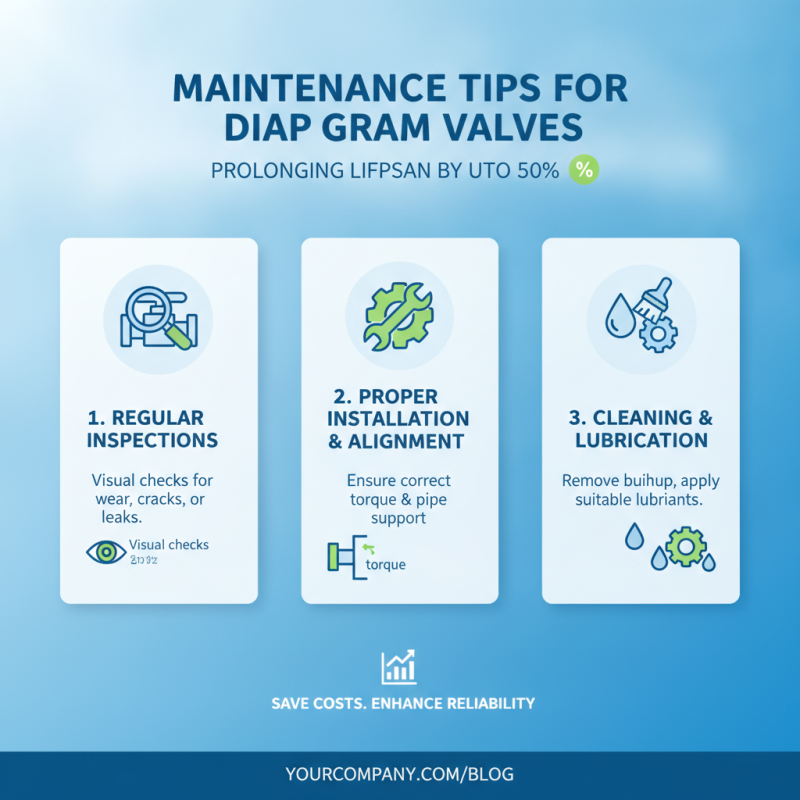
Maintaining diaphragm valves is crucial for their longevity. Research shows that proper maintenance can extend their lifespan by up to 50%. Regular inspections are essential. Look for signs of wear, such as cracks or leaks in the diaphragm. A quick visual check can save significant costs down the line.
Cleaning is another key factor. Contaminants can degrade the material over time. Using soft brushes rather than abrasive materials is advisable. This approach minimizes damage to the diaphragm, ensuring its integrity remains intact. Scheduling routine cleanings can prevent unexpected failures.
Lubrication of moving parts is often overlooked. Proper lubrication helps reduce friction and wear. However, over-lubrication can attract dust and dirt, leading to premature failure. It’s essential to balance lubrication and cleanliness. Remember, neglecting small maintenance tasks can lead to larger issues. Always prioritize small checks. This attention to detail pays off.