Why Choose a Pilot Operated Diaphragm Valve?
Choosing the right valve can determine whether a process runs smoothly or quietly loses efficiency. A pilot-operated diaphragm valve deserves attention when pressure control, cleanliness, and dependable shutoff matter. Its diaphragm uses system pressure and a pilot circuit to regulate flow with limited external energy. This design can respond steadily in water treatment, irrigation, chemical processing, and industrial utility systems.
Valve engineer Dr. Mohinder L. Nayyar has emphasized a practical principle: “A valve should control flow reliably, not merely stop it.” That idea explains the value of a Pilot-operated diaphragm valve. It does more than open or close a pipeline. The pilot assembly senses pressure changes, while the diaphragm adjusts gradually. In a filtration plant, this can reduce sudden surges near pumps, elbows, and delicate instruments.
The benefits are practical. The valve can handle large flow rates with relatively modest control force. Its diaphragm separates the operating mechanism from the main fluid path. That feature may reduce contamination concerns and simplify maintenance. However, the design is not automatically suitable everywhere. Dirty pilot lines, incorrect sizing, or unstable upstream pressure can cause slow response or unwanted cycling. Small details matter.
Experience teaches caution. A valve that performs well on a test bench may behave differently after months of sediment exposure. Engineers should examine pressure range, fluid temperature, diaphragm material, control accuracy, and service access. The best choice is not always the most advanced one. It is the valve that matches the real pipeline, the real fluid, and the real maintenance team.
What Is a Pilot Operated Diaphragm Valve?
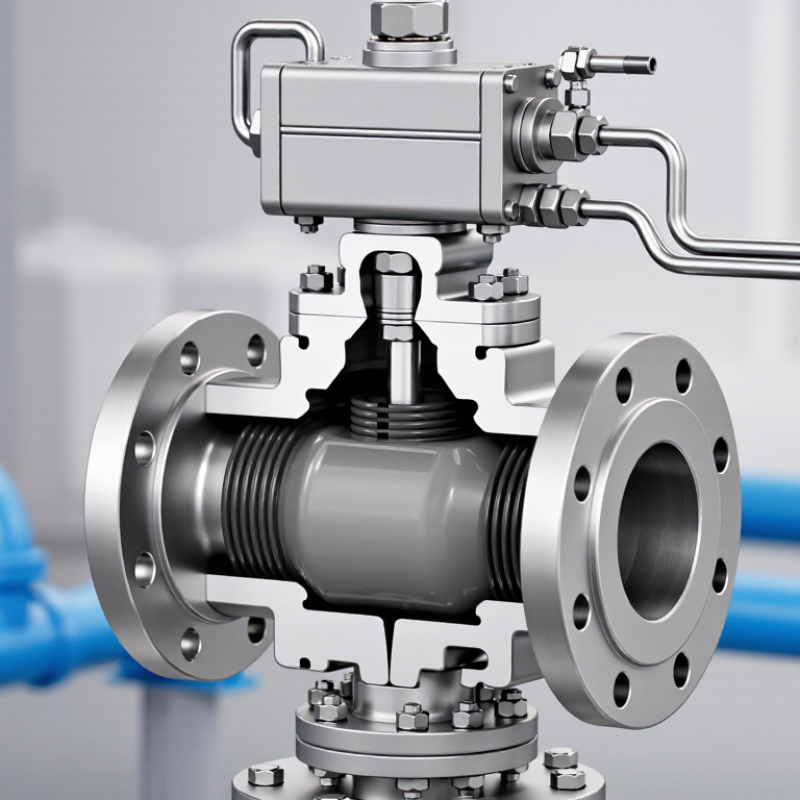
A pilot operated diaphragm valve uses a small pilot valve to control a larger main valve. The pilot adjusts pressure inside the valve chamber. When chamber pressure decreases, the diaphragm lifts and opens the flow path. When pressure rises, the diaphragm closes against its seat. The process fluid stays isolated from the actuator mechanism. This is the key.
MarketsandMarkets’ 2024 Industrial Valves Market report estimates the global market will reach about USD 92 billion by 2029. That growth reflects demand for safer flow control in water, chemical, and process facilities. A pilot operated design can control high flow rates with a relatively small pilot signal. It may also reduce actuator size and energy demand. However, these benefits depend on correct sizing and clean control media.
Field technicians should check minimum differential pressure during commissioning. Without enough pressure difference, the diaphragm may respond slowly or fail to open fully. Pilot passages also need protection from rust, sediment, and scale.
The U.S. Department of Energy reports that poorly maintained compressed-air systems can lose 20–30% of output through leaks, and pilot circuits can add to that waste. The assumption that every pilot valve saves energy is incomplete. Seal material, response time, temperature, and maintenance quality still matter.
Small mistakes become visible.
Key Components and Operating Principles
Why Choose a Pilot Operated Diaphragm Valve?
Key Components and Operating Principles
A pilot operated diaphragm valve uses a small control signal to manage a larger fluid flow. Its main components include the valve body, flexible diaphragm, actuator chamber, pilot valve, spring, and control passages. The diaphragm separates the process fluid from the control mechanism. This reduces shaft exposure and helps protect the moving parts.
When the pilot valve changes position, pressure in the actuator chamber rises or falls. That pressure difference moves the diaphragm against the seat. In many designs, inlet pressure helps close the valve, while chamber pressure releases it. The exact action depends on the pilot circuit and pressure conditions. A common mistake is assuming every model works with zero differential pressure. It may not. Field checks still matter, especially during commissioning.
Tips: Confirm the fluid compatibility, minimum pressure differential, temperature range, and required fail position. Inspect the diaphragm for swelling, cracks, or stiffness. Keep pilot passages clean; a small blockage can create slow response or incomplete closing. In practice, I also record opening pressure during maintenance. This simple detail often reveals wear before leakage becomes obvious. Pilot control saves energy and actuator force, but the system needs correct sizing. Safety depends on those details.
Benefits of Using Pilot Operated Diaphragm Valves
Why Choose a Pilot Operated Diaphragm Valve?
Benefits of Using Pilot Operated Diaphragm Valves
Pilot operated diaphragm valves use a small control signal to manage larger flow paths. The pilot circuit guides pressure above the diaphragm, while line pressure helps move the main closure element. This design can reduce actuator size and control-air demand in suitable systems. It also provides smooth opening and closing, which helps limit sudden pressure changes near pumps, filters, and dosing equipment.
The practical value becomes clearer in water treatment. The World Bank has estimated global non-revenue water losses at about 126 billion cubic meters annually. Reliable flow control can help operators reduce avoidable losses, especially in remote or frequently cycled lines. A diaphragm separates the process fluid from the operating mechanism. That separation supports cleaner service in chemical dosing and hygienic applications. Field technicians also appreciate fewer exposed moving parts.
Maintenance still matters.
Pilot lines can clog. Dirty water, incorrect tubing, or unstable pressure may cause delayed operation. The valve is not automatically maintenance-free. The Hydraulic Institute recommends reviewing pressure, flow, and transient conditions during valve selection. Industry valve market research from Grand View Research valued the global industrial valves market at approximately 78.7 billion dollars in 2023. That scale reflects the importance of dependable flow-control equipment, but market growth does not guarantee performance in every installation. Engineers should verify minimum differential pressure, elastomer compatibility, cycle frequency, and accessible service points before specifying a pilot operated diaphragm valve.
Applications and Selection Considerations
Pilot-operated diaphragm valves suit applications requiring remote control, tight shutoff, and gentle handling of fluids. Their diaphragm separates the process medium from the actuator, reducing contamination risks in water treatment, chemical dosing, and hygienic processing. The U.S. Environmental Protection Agency’s 2023 Drinking Water Infrastructure Needs Survey estimates a $625 billion investment need over the next 20 years. That scale makes reliable flow control more important, especially in aging treatment networks.
Selection should begin with the fluid, not the valve size. Check chemical compatibility, temperature, solids content, and expected cycling frequency. A rubber diaphragm may resist one chemical but swell in another. Small details matter. Confirm minimum and maximum operating pressure, pilot-air quality, response time, and the required fail position. A normally closed configuration may protect a dosing line during air loss, while a normally open position can support emergency drainage. Field inspections often reveal another issue: undersized pilot tubing can slow actuation and create unstable control. The wrong Cv value also causes pressure loss or poor throttling. Industry testing should follow applicable performance and material standards, while the final choice should reflect actual maintenance skills, spare-part access, and cleaning procedures. A perfect datasheet cannot replace a site trial. Sometimes, that is the part engineers underestimate.