2026 Top Fire Arrestor Types for Global Buyers
Global buyers are reassessing Fire Arrestor technology as industrial systems become more compact, automated, and interconnected. A refinery pipeline, solvent tank, or biogas unit may require a different protection approach. Choosing by price alone can create dangerous gaps.
This guide examines the 2026 Fire Arrestor types most relevant to international purchasers. It compares in-line and end-of-line designs, deflagration and detonation arrestors, liquid-service models, and specialized units for hydrogen-rich gases. Each type responds to different flame speeds, pressure conditions, installation points, and maintenance demands.
Professor Guillermo Rein, a respected fire science researcher, offers a useful principle: “Fire safety must be designed, not assumed.” That idea applies directly here. A certified arrestor cannot compensate for incorrect sizing, poor grounding, blocked vents, or unsuitable installation. Small details matter. A dusty mesh element can change performance.
The discussion also considers practical buying evidence, including material quality, testing records, pressure ratings, temperature limits, replacement access, and supplier engineering support. International buyers should review applicable standards, such as ISO 16852, while confirming local requirements with qualified professionals. Certification is important, but it is not the whole decision.
Some recommendations may appear obvious. They are often ignored. Operating data can be incomplete, and process conditions can change after installation. Therefore, this overview treats product selection as a technical process, not a catalog exercise. The right Fire Arrestor should match the hazard, the equipment, and the people responsible for maintaining it.
Fire Arrestors: Definition, Purpose, and Core Operating Principles
Fire Arrestors: Definition, Purpose, and Core Operating Principles
A fire arrestor is a passive safety device that prevents flames from traveling through vents, pipes, or process lines. It does not remove fuel or guarantee complete fire control. Its main purpose is containment. In tanks, vessels, and transfer systems, flammable vapor may meet an ignition source outside the equipment. The arrestor blocks flame movement before it reaches the vapor source. Inside, a specially designed element absorbs heat. Its narrow passages cool the flame below its ignition temperature. Pressure and flow still matter.
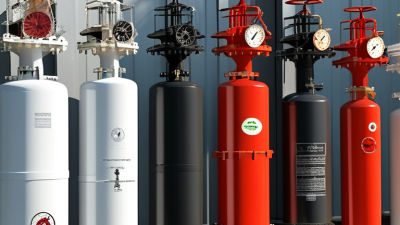
Different hazards require different arrestor designs. Deflagration arrestors manage subsonic flame movement, while detonation units resist high-speed shock waves. End-of-line models protect vents, while in-line models protect connected equipment. Selection depends on vapor properties, operating temperature, pressure, pipe size, and expected flow.
Field inspections often reveal a neglected issue: fouling can increase pressure drop and reduce protection. Sizing is where many installations fail. No device is a universal answer.
Tips:
Confirm gas characteristics and maximum operating conditions before purchasing. Ask for tested performance data, installation limits, and maintenance guidance. Check access for cleaning. Keep the arrestor close to the protected equipment when the design requires it. Never install it where condensate can collect. A small layout error can become a serious weakness. Verify applicable local standards and keep inspection records.
Major Fire Arrestor Types and Their Distinctive Features
2026 Top Fire Arrestor Types for Global Buyers
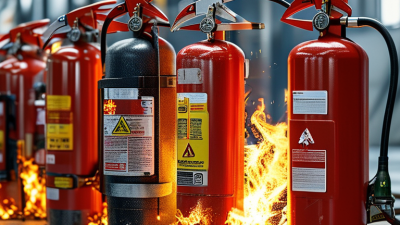
Fire arrestors protect tanks, pipelines, and process equipment from flame travel. Their design must match the hazard, not just the pipe size. End-of-line arrestors fit tank vents and help stop external flames entering vapor spaces. They usually support free venting, but weather exposure can increase inspection needs. In-line arrestors sit inside piping and control flame movement between connected vessels. Their compact bodies may create noticeable pressure loss.
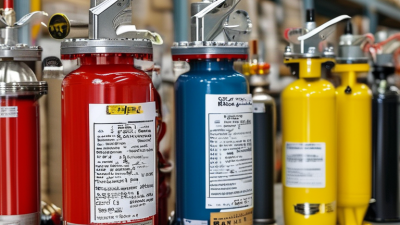
Deflagration arrestors handle subsonic flame fronts, which commonly develop in open or vented systems. Detonation arrestors provide stronger protection against shock waves and supersonic flame movement. They normally use reinforced housings and specialized flame-quenching elements. Some models combine both functions, but buyers should verify certified performance. Sintered-metal elements offer fine quenching passages, while crimped-ribbon elements can provide easier cleaning and lower resistance.
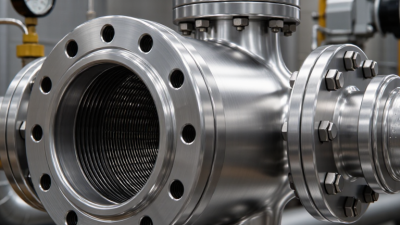
Material selection matters in corrosive or high-temperature service. Stainless steel may suit humid atmospheres, while alloy choices require process-specific review. Check maximum operating pressure, temperature, flow rate, vapor group, and allowable pressure drop. Maintenance access is often overlooked. A blocked element can reduce protection and disturb normal venting. Practical inspections should include deposits, corrosion, gaskets, and fastener condition. A tidy specification can still be wrong if the flame path is misunderstood. Independent testing and recognized certification provide stronger evidence than a sales description. Local installation rules may also change the acceptable configuration.
Global Standards, Certifications, and Safety Requirements
2026 Top Fire Arrestor Types for Global Buyers
Global Standards, Certifications, and Safety Requirements
Choosing a fire arrestor starts with the hazard, not the product name. Buyers should identify the gas, vapor, temperature, pressure, and possible flame path. Deflagration and detonation arrestors serve different risk conditions. End-of-line units protect tanks and vents, while in-line units protect connected process equipment.
ISO 16852 provides a key testing framework for flame arrestors. Electrical installations in hazardous areas may also require IEC 60079 principles. Depending on the market, ATEX, IECEx, or equivalent national certification may apply. These approvals do not always cover every installation. Check the certified gas group, maximum operating pressure, temperature range, and flow direction.
A credible supplier should provide test certificates, installation limits, inspection guidance, and material details. Stainless steel may suit corrosive service, but compatibility still needs verification. Mesh size, housing design, and drainage affect performance. Practical inspections often find blocked elements, incorrect orientation, or missing gaskets. Small errors can defeat a certified device. No checklist catches everything. Buyers should ask an independent engineer to review the complete installation, including piping, vents, grounding, and maintenance access. Standards also change, so confirm the current requirements with the local authority and the site’s hazardous-area assessor.
Installation, Inspection, Maintenance, and Buyer Evaluation Criteria
2026 Top Fire Arrestor Types for Global Buyers
Installation, Inspection, Maintenance, and Buyer Evaluation Criteria
Fire arrestors protect equipment by stopping flame propagation through pipes, vents, and process lines. Common options include end-of-line, in-line deflagration, and detonation arrestors. Selection depends on gas composition, pressure, temperature, flow direction, and expected explosion behavior. A device suitable for a storage tank may fail in a high-pressure transfer line.
Installation requires careful attention to orientation, connection size, flow arrows, and approved operating limits. Keep the arrestor accessible for inspection. Avoid unnecessary elbows near the unit, because turbulence can increase pressure loss. Confirm grounding, supports, and thermal clearance before commissioning. Small errors matter.
Inspection should check the flame element, housing, seals, fasteners, corrosion, and pressure drop. A blocked element can restrict ventilation and create a dangerous operating condition. Maintenance intervals should follow the manufacturer’s technical instructions and site risk assessment. Clean only with approved methods. Replace damaged or distorted elements; do not improvise repairs. Record findings, dates, readings, and corrective actions.
Buyers should request test documentation, material certificates, temperature ratings, pressure ratings, and relevant conformity evidence. Ask whether performance data matches the actual gas group and installation layout. Total cost includes inspection access, spare elements, downtime, and training. The cheapest unit may become expensive after one difficult shutdown. In practice, no checklist replaces competent engineering review. Even experienced teams miss details when process conditions change.
2026 Top Fire Arrestor Types for Global Buyers
Installation, inspection, maintenance, and buyer evaluation criteria
How to read this chart: A score of 1 indicates the arrestor type is primarily intended for the listed application; 0 indicates that the application is not its main purpose. Deflagration arrestors are designed for subsonic flame propagation, while detonation arrestors are intended for flame fronts accompanied by shock waves. End-of-line units protect vessel vents, in-line units protect connected piping, and liquid-seal systems use a liquid barrier to stop flame transmission.