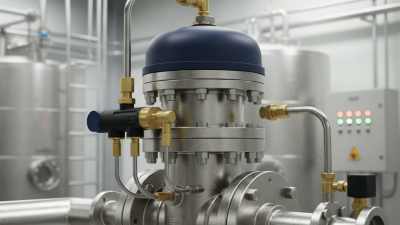
Top Benefits of Using Pilot Operated Diaphragm Valves?
Pilot Operated Diaphragm Valves are essential components in many industrial applications. Their design enhances control over flow rates and pressures in various systems. These valves utilize a pilot signal to operate, ensuring precision and reliability. When compared to traditional valves, they offer significant advantages.
One major benefit is their ability to handle challenging conditions. Pilot Operated Diaphragm Valves can manage high-pressure environments while maintaining durability. This is crucial in industries like chemical processing and water treatment. Additionally, they reduce wear and tear, which leads to lower maintenance costs.
Despite their advantages, users may encounter challenges. Calibration and setup require expertise. Misapplication can lead to inefficiencies. Understanding the specific needs of your system is vital for optimal performance. Overall, embracing Pilot Operated Diaphragm Valves can enhance system reliability and efficiency when implemented correctly.
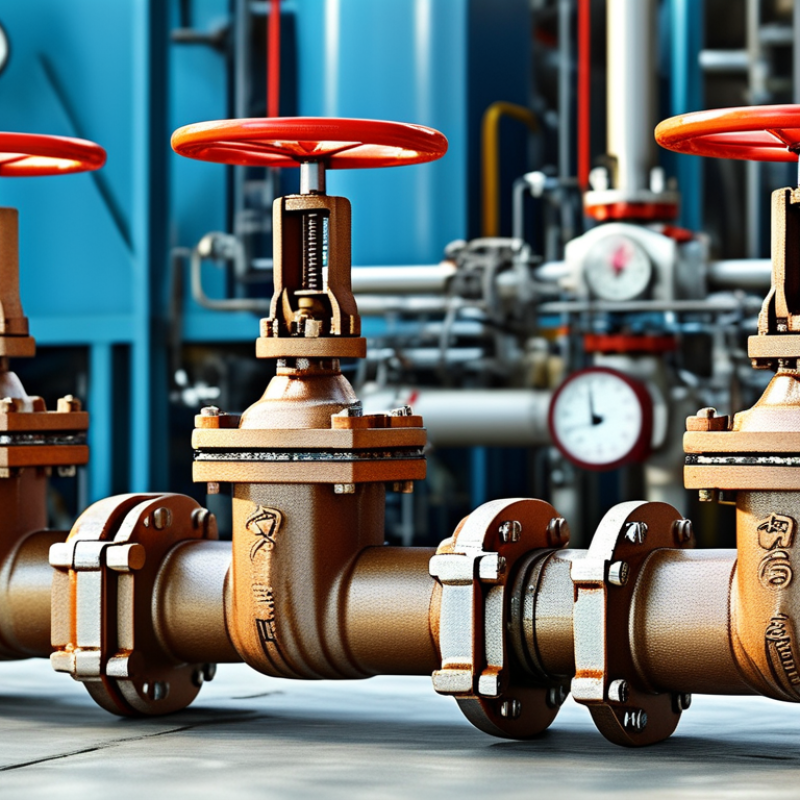
Overview of Pilot Operated Diaphragm Valves
Pilot operated diaphragm valves are essential in controlling fluid flow in various industrial applications.
These valves utilize a diaphragm and a pilot system that allows for precise control.
The diaphragm separates the fluid from the operating mechanism, ensuring safety and reliability.
This design is particularly beneficial in corrosive or hazardous environments.
Tips: Regular maintenance is crucial. Inspect diaphragms for wear and tear.
This can prevent unexpected failures. Consider the material compatibility for your specific fluids.
Proper installation is also vital to avoid leaks that can cause system inefficiencies.
In addition, pilot operated diaphragm valves offer advantages in terms of pressure management.
They can handle high-pressure situations with ease, thanks to their unique design.
This makes them ideal for applications requiring consistent flow and pressure levels.
However, understanding the specific needs of your system is essential.
Sometimes, operational challenges arise from incorrect valve sizing or inappropriate settings.
Always evaluate if the valve meets the required specifications.
Mechanism of Action in Diaphragm Valves
Pilot operated diaphragm valves are essential in various fluid control applications. Their unique mechanism of action sets them apart from standard diaphragm valves. These valves utilize a small pilot pressure to control a larger flow, allowing for efficient operation under varying conditions.
The core mechanism involves a diaphragm that separates the flow path from the actuation area. When pilot pressure is applied, it pushes the diaphragm against the valve seat, enabling or restricting flow. This design minimizes wear and tear, increasing the valve's lifespan. However, proper maintenance is essential. If the pilot pressure fluctuates, it can lead to inconsistent valve operation.
Another aspect to consider is the response time. While pilot operated valves offer precise control, they may react slower than direct-acting valves. Users must assess their specific needs. Understanding these details ensures optimal performance in applications like water treatment or pharmaceutical processes. Reliable operation is paramount, and yet, it requires constant monitoring.
Key Advantages of Pilot Operated Diaphragm Valves
Pilot operated diaphragm valves offer several key advantages that enhance operational efficiency across various industries. These valves provide excellent control of fluid flow, allowing for precise adjustments. According to a report by the Plumbing Manufacturers International, this precision can improve system performance by up to 30%. The diaphragm design ensures minimal leakage, contributing to safer operations by reducing product contamination risks.
Moreover, pilot operated diaphragm valves are known for their reliability in challenging environments. They withstand high pressures and extreme temperatures, making them suitable for diverse applications. A study from the Valve Manufacturers Association highlighted that these valves require less maintenance, potentially lowering operational costs by 15%. This reliability translates to more uptime, which is critical for production facilities.
Tips: Regular inspection is essential. It helps identify potential issues before they escalate. Focus on training staff on valve operation for improved safety and efficiency. Consider upgrading to pilot operated systems for enhanced performance. A well-maintained valve system can prevent costly downtimes and ensure consistent production flow.
Top Benefits of Using Pilot Operated Diaphragm Valves - Key Advantages of Pilot Operated Diaphragm Valves
| Benefit |
Description |
| Enhanced Control |
Provides precise control over flow and pressure, allowing for better system management. |
| Low Air Consumption |
Uses significantly less air compared to conventional valves, leading to cost savings. |
| Reduced Maintenance |
Fewer moving parts results in lower wear and tear, reducing maintenance frequency and costs. |
| Versatility |
Suitable for various applications, including liquids, gases, and slurries. |
| Safety Features |
Incorporates fail-safe mechanisms that enhance operational safety and reliability. |
| Compact Design |
Space-efficient design allows for easier installation in tight spaces. |
Common Applications in Various Industries
Pilot operated diaphragm valves are increasingly popular across various industries. They offer precise control over fluid flow, making them essential in diverse applications. In water treatment plants, these valves manage the flow of chemicals used for purification. Their reliability ensures that the treatment process remains efficient and safe.
In the food and beverage sector, pilot operated diaphragm valves play a crucial role. They ensure the hygiene of the production process by providing a clean flow path. These valves are easy to clean, reducing the risk of contamination. However, maintenance can sometimes be tricky, and regular inspections are necessary to ensure optimal performance.
Chemical processing facilities also benefit from these valves. They can handle corrosive substances while maintaining pressure. The diaphragm mechanism is effective at sealing, which minimizes leakage risks. Still, operators must remain vigilant about potential wear and tear. Regular checks will help avoid costly downtime due to valve failure.
Maintenance and Operation Guidelines for Efficiency
Pilot operated diaphragm valves are efficient and reliable solutions for various applications. However, proper maintenance and operation are crucial to maintain their effectiveness. Regular checks on the diaphragm and seals prevent leaks and ensure optimal performance. It’s essential to monitor the pressure levels carefully. This helps in avoiding unnecessary wear and extends the lifespan of the valve.
Tips: Check the diaphragm for signs of wear every few months. This reduces the likelihood of sudden failure. Use a compatible fluid to minimize damage. In addition, cleaning the valve regularly ensures that no debris affects its operation. Pay attention to the valve’s response times as they indicate any underlying issues.
Understanding the specific operating conditions is vital for these valves. The temperature and pressure must align with the valve's specifications. Operating outside these parameters can lead to performance issues. Consider documenting the operational history of each valve. This helps in troubleshooting potential problems. Even small deviations can have significant impacts on efficiency.