How to Choose a Varec Pressure Vacuum Relief Valve for Your Needs
Selecting the right Varec Pressure Vacuum Relief Valve is crucial for system safety and efficiency. Pressure vacuum relief valves are key components in managing tank pressure. According to industry standards, improper valve selection can lead to costly accidents. Research shows that 30% of tank failures are linked to inadequate venting solutions. Therefore, understanding your specific requirements is essential.
The Varec Pressure Vacuum Relief Valve offers reliable protection against overpressure and vacuum conditions. These valves help maintain optimal pressure levels during liquid storage and transport. A well-chosen valve enhances safety and prolongs equipment life. Case studies indicate that proper valve selection can improve operational efficiency by 15%.
However, finding the right valve can be challenging. Numerous factors come into play, including tank size, material, and application. It's also important to consider regional regulations and unique operational demands. Many organizations overlook these details, leading to suboptimal performance. Investing time in research can yield significant long-term benefits.
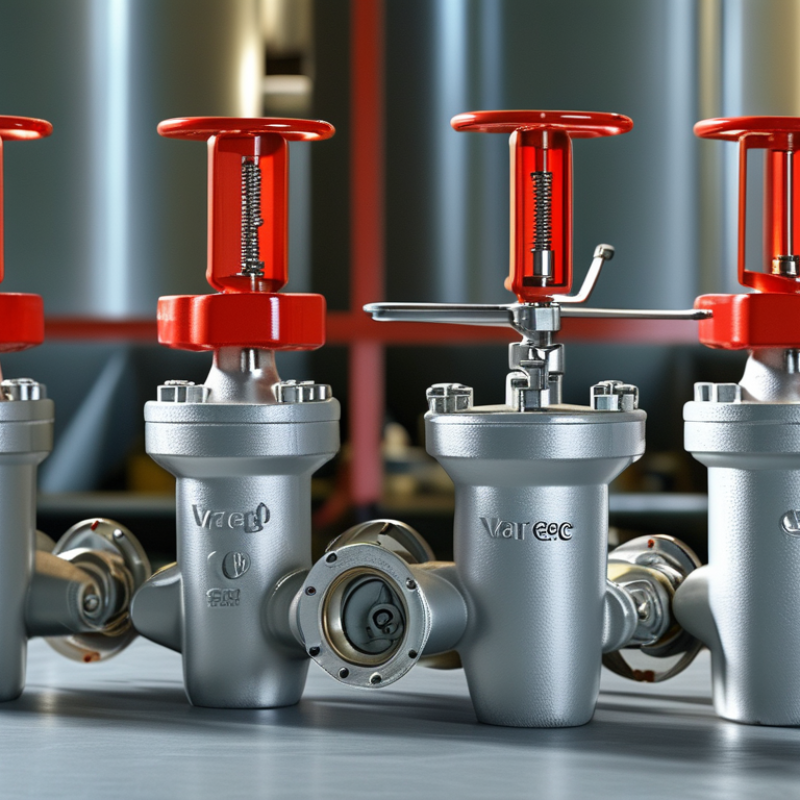
Understanding the Functionality of Pressure Vacuum Relief Valves
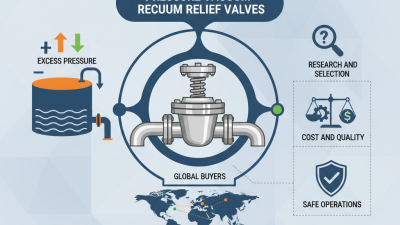
Understanding the functionality of pressure vacuum relief valves is crucial for their effective use in various applications. These valves prevent overpressure and vacuum conditions in storage tanks. They allow gases to escape or enter, balancing internal tank pressure. This function is vital for safety and operational efficiency.
Choosing the right valve involves understanding your specific needs. Factors such as tank design, product type, and environmental conditions play significant roles. Often, people overlook these factors when making a selection, resulting in inadequate performance. Many assume one-size-fits-all solutions, but this can lead to operational failures.
Regular maintenance of these valves cannot be neglected. A valve that works today may not be effective tomorrow without proper checks. They must be inspected for wear and tear. Minor leaks can signify larger problems. Recognizing these signs early ensures safety and longevity. Always consider expert guidance if unsure about your choice. The right support can prevent costly mistakes.
Identifying Your System's Pressure and Vacuum Requirements
When selecting a pressure vacuum relief valve, understanding your system's pressure and vacuum requirements is crucial. These requirements directly influence the valve's performance and efficacy. Start by identifying the maximum and minimum pressure levels in your system. This involves monitoring the operational conditions to ensure accuracy.
Analyze historical data on fluctuations as well. Often, these insights reveal trends that could lead to a better valve choice.
Next, assess the vacuum conditions. If your system experiences significant vacuum fluctuations, select a valve that can handle these changes effectively.
Consider conducting a risk assessment to determine potential pressure build-ups. Identifying weak points in your system aids in preventing failures. Many operators overlook vacuum needs, which can lead to operational issues down the line.
Mechanical specifications matter, too. Your valve must fit seamlessly with existing components. Ensure that materials are compatible with your substances. Remember, choosing a valve is not just a one-time decision; regular evaluations may be necessary. Balancing performance and reliability is not always straightforward. Yet, careful consideration of pressure and vacuum needs will guide your choices more effectively.
Evaluating Different Types of Varec Valves Available
Choosing the right Varec pressure vacuum relief valve can be challenging. Various types exist, each serving specific functions. Understanding these functions is key. Some valves operate automatically, while others require manual intervention. For critical applications, automatic valves provide convenience. However, manual valves may allow for better control in some scenarios.
Material selection also plays a role in valve performance. Valves can be made from different metals or plastics. Each material has its strengths and weaknesses, impacting durability and resistance to corrosive substances. For example, certain metals may corrode over time, leading to failure. Users should factor in the environment where the valve will be deployed.
It’s essential to assess flow capacity too. Valves must handle the required flow rates without risk of being over-pressured. Not all models can accommodate high flow demands effectively. Some users may find that a valve they initially chose cannot handle peak operations. In such cases, re-evaluating decisions is crucial. Missing these details could lead to costly issues in the future.
Considerations for Materials and Construction Standards
When selecting a pressure vacuum relief valve, material choice and construction standards are critical. The valve must withstand harsh environments, including chemicals and temperature fluctuations. A 2021 industry report highlights that over 30% of valve failures are due to material incompatibility. This emphasizes the importance of understanding materials.
Common materials include stainless steel, aluminum, and various plastics. Stainless steel offers corrosion resistance and durability. However, it may not be suitable for all environments, especially those with high acidity. Comparing different alloys can help in finding the right mix of strength and resistance.
Construction standards also matter. ISO and ASME guidelines specify manufacturing processes that ensure reliability. Research indicates that valves meeting these standards have a 25% lower failure rate. Ensure the valve meets relevant industry standards to enhance safety and reliability. The right selection process can prevent costly failures and enhance operational efficiency.
Installation and Maintenance Best Practices for Optimal Performance
Proper installation and maintenance of Varec pressure vacuum relief valves are crucial for optimal performance. These valves help manage pressure changes in storage tanks, preventing explosions and leaks. According to industry reports, 40% of performance issues stem from improper installation. Aligning the valve correctly ensures it opens and closes at the designated pressure. Misalignment can lead to frequent malfunctions.
Regular maintenance also plays a key role. Experts recommend inspecting valves every six months. Simple checks can reveal issues like debris accumulation, which obstructs functionality. In a recent analysis, it was found that 25% of valves in the field failed due to insufficient maintenance. Cleaning the valve and replacing worn parts can extend its lifespan significantly.
Documentation is essential for tracking maintenance efforts. Accurate records help identify patterns and root causes of failures. Engaging qualified personnel for installation and repairs adds another layer of reliability. Professionals can bring valuable insights from the field. Their experience often uncovers hidden issues. Investing in these practices can lead to fewer operational disruptions and enhanced safety.
Choosing the Right Varec Pressure Vacuum Relief Valve: Performance Comparison
This chart compares the flow capacity and operational pressure of various pressure vacuum relief valves, aiding in the selection process for optimal performance based on installation and maintenance needs.