Leave Your Message

7 Tips for Choosing Deflagration Type Flame Arresters

Selecting Deflagration Type Flame Arresters is a practical safety decision, not a catalog exercise. These devices are designed to stop a flame front traveling at subsonic speed through a system. The wrong model may fail to match the gas, operating conditions, or installation. Small details matter: a different pipe diameter, temperature, or gas mixture can change the selection.

Process-safety authority Trevor Kletz offered a useful reminder: “What you don’t have, can’t leak.” His words are not a flame-arrester selection rule, but they prompt a valuable question: can the hazard be reduced before equipment is chosen? When an arrester is needed, sound selection still matters. Check the process gas and its relevant properties, operating pressure and temperature, permitted pressure drop, and the equipment’s location. Confirm that the arrester is suitable for the specific application and installation. Then consider inspection access and maintenance. A device hidden behind a crowded pipe run may be harder to check than the drawing suggests.

This guide presents seven practical tips for evaluating options, from matching the arrester to the expected flame path to reviewing documentation and upkeep. Manufacturer data and competent engineering review should inform the final choice. Not guesswork. Real installations can be messy, and a neat checklist cannot capture every condition. That is worth remembering. Treat these tips as a starting point, verify assumptions against the actual process, and ask for qualified review when the details remain uncertain.
7 Tips for Choosing Deflagration Type Flame Arresters

Understanding Deflagration Flame Arresters and Their Operating Limits

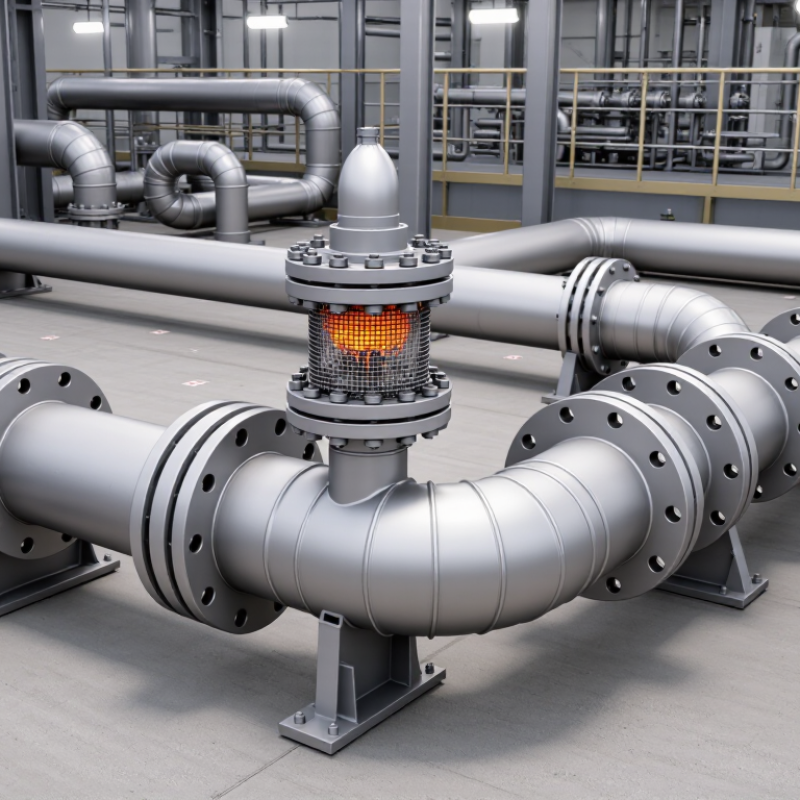
A deflagration flame arrester is designed to stop flame transmission under defined test conditions; it is not a universal barrier. Its limits depend on the gas or vapor, operating pressure and temperature, and the arrester’s tested configuration. Match the device to the actual mixture, not just a broad process description. Details matter. Review whether the unit is intended for an in-line or end-of-line installation, and check the permitted pipe length and layout. Elbows, branches, or a long run can change the conditions reaching the arrester.

Selection also means checking pressure drop, flow rate, and the possibility of fouling. Narrow passages can collect residue, while corrosion may damage the element before it looks obviously unsafe. Small changes count. Confirm that the test data covers the expected operating range and installation, then follow the specified inspection and maintenance intervals. A catalog label alone is not enough; I would want the process conditions verified by a qualified safety engineer. One uncomfortable point: real systems rarely match a diagram perfectly. If the gas composition, temperature, or piping changes, reassess the arrester rather than assuming the original choice still applies.

Identifying the Gas, Process, and Operating Conditions

A deflagration-type flame arrester must suit the gas that can actually reach it, not just the name on a process drawing. Record each component, its concentration range, and possible air or oxygen ingress. Check the gas group and limiting oxygen concentration against the arrester’s certified performance. Mixtures matter. A small change in composition can alter flame behaviour, so do not treat a variable blend as a fixed gas.

Map the process around the proposed installation point. Note whether the unit will sit at a vessel vent or within a pipe, and identify likely ignition locations. Pipe length, bends, branches, and obstructions can affect flame acceleration. An in-line deflagration arrester is not automatically suitable for every pipe arrangement. Check the applicable test conditions and installation limits with a qualified engineer. Field layouts are sometimes less tidy than drawings suggest.

Record normal and upset pressure, temperature, flow, and expected operating cycles. Compare these conditions with the arrester’s permitted range, and include pressure drop in the process review. Dust, condensate, or polymer deposits may block narrow passages and change performance. Plan inspection and cleaning access before installation. If operating data are incomplete, mark the uncertainty and obtain better measurements; guessing from a typical day is a weak basis for selection.

7 Tips for Choosing Deflagration Type Flame Arresters - Identifying the Gas, Process, and Operating Conditions
Tip What to identify Why it matters Practical checks and examples
1. Identify the gas or vapor Determine the full composition, including combustible components, oxygen content, and any expected variation in the mixture. Flame-arresting performance depends on the properties of the actual flammable mixture. A device suitable for one gas group may not be suitable for another. Confirm the applicable gas group and test basis from recognized classification data. Common examples include hydrogen in Group IIC, ethylene in Group IIB, and propane in Group IIA. Treat mixtures separately; do not assume a mixture has the classification of its most abundant component.
2. Confirm the flame event is a deflagration Assess ignition location, pipe layout, length, diameter, obstructions, and the potential for flame acceleration or transition to detonation. A deflagration-type arrester is tested for specified deflagration conditions; it should not be assumed to stop a detonation. Have the credible flame-propagation scenario assessed. If detonation is credible, select equipment specifically tested and rated for the applicable detonation conditions. Pipe length alone is not a sufficient selection rule.
3. Match the installation configuration Identify whether the arrester is installed at an open pipe end or within a pipeline, and document the connected pipe geometry and orientation. End-of-line and in-line installations can expose an arrester to different flame and pressure conditions. Approval for one arrangement does not automatically cover another. Check that the tested installation arrangement matches the proposed service, including pipe configuration, direction of flow where relevant, and any stated distance or mounting restrictions.
4. Check pressure and temperature limits Record normal and credible upset pressure, vacuum conditions if applicable, and gas and ambient temperature ranges. Pressure and temperature affect operating limits and the arrester’s ability to perform within its tested conditions. Compare the complete operating envelope—not just the normal set point—with the arrester’s documented limits. Include startup, shutdown, pressure surges, and temperature excursions in the review.
5. Size for flow and allowable pressure drop Establish minimum and maximum flow, gas properties, operating pressure, and the system’s allowable pressure loss. The flame-arresting element creates flow resistance. An unsuitable size can impair process performance or put operation outside the device’s rated conditions. Use the device’s flow and pressure-drop data for the actual gas and operating conditions. Include the clean and expected service condition, and verify that the selected size meets both process and safety requirements.
6. Evaluate flame duration and heat exposure Determine whether a flame could remain at the arrester, including the possibility of short-time or sustained burning after a flashback. Heat can transfer through an arrester during prolonged flame exposure. Deflagration-arresting capability alone does not establish suitability for every burning duration. Specify the required burning-duration performance and verify it against documented test limits. Where the process can sustain a flame, assess suitable monitoring, isolation, or shutdown measures as part of the protection system.
7. Account for fouling, corrosion, and inspection Identify liquids, condensate, particulates, deposits, polymerizing substances, and corrosive components in the process stream. Deposits or corrosion can obstruct the flame-arresting passages, increase pressure drop, and affect performance. Check material compatibility, drainage and installation needs, inspection access, and cleaning requirements. Set inspection intervals based on service conditions and the equipment documentation; do not operate with a blocked or damaged element.

Selection note: Gas-group examples are indicative, not a substitute for verifying the actual mixture and applicable limits. Final selection should be based on the process hazard assessment and the arrester’s documented test conditions and limits of use. ISO 16852 addresses industrial flame-arrester performance requirements, test methods, and limits of use.

Matching Arrester Type to Installation Location and Flow Direction

Choosing a deflagration flame arrester starts with its location. An end-of-line unit protects a vessel opening, while an in-line unit sits within a pipe run. The installation changes the flame path, pressure exposure, and maintenance access. ISO 16852:2016 sets standardized flame-transmission tests and operating limits. Match the unit’s certified test configuration to the actual gas group, pipe size, and service conditions. A familiar-looking housing is not proof of suitability.

Tip: Check the flow arrow, then confirm the approved mounting orientation in the technical documentation. Some units are tested for one direction only. Reversing flow can invalidate that selection. I have seen arrows treated as decoration; they are not.

For in-line installations, verify whether the arrester is approved for the expected deflagration direction and pipe arrangement. NFPA 69 (2024) addresses explosion prevention and protection systems, including flame-arresting applications; its requirements should be reviewed alongside the applicable equipment certification. Also compare pressure-drop data at the real flow rate. A narrow element may protect against flame transmission yet restrict process flow. Leave space to inspect and clean the element, especially where vapors can condense. Small details matter. If the installation differs from the tested setup, pause and obtain a qualified engineering review.

Checking Materials, Pressure Ratings, and Certified Performance

Choosing a deflagration-type flame arrester starts with the process conditions, not just the pipe size. Check the gas composition, operating temperature, and expected flow. Wetted materials must resist corrosion and remain compatible with the gas and any cleaning agents. Seals matter, too. A small mismatch can cause leaks or shorten service life. Small details matter.

Tip: Compare the arrester’s maximum allowable pressure and temperature with the system’s normal and upset conditions. Allow for pressure surges, not only steady operation. Then check the pressure drop at the actual flow rate; an undersized unit can restrict the process. Ask for certified test data that covers the specific gas group, configuration, and installation direction. A certificate for a different setup is not enough.

Before purchase, confirm whether the unit is intended for in-line or end-of-line service, and follow the manufacturer’s installation and inspection instructions. Check access for periodic cleaning, since deposits can affect performance. I would not rely on a rating copied into a sales sheet without reviewing its test scope. Documentation can look complete and still leave questions. Have a qualified process or safety engineer review any unclear limits before installation.

Planning Installation, Inspection, and Routine Maintenance

Planning starts with the actual process, not a catalog description. Confirm the vapor or gas, operating temperature, pressure, and expected flow. Check that the selected deflagration flame arrester suits the hazard and installation conditions. Small details matter. Pipe length, bends, and nearby equipment can affect performance, so follow the device documentation and have a qualified engineer review the layout. Install it in the specified direction and orientation, with enough clearance to inspect and remove the element. Avoid placing it where rainwater, product, or debris can collect. That part is easy to overlook.

Before work begins, isolate and depressurize the line using the site’s approved procedures. During inspections, look for corrosion, loose connections, deposits, and signs of impact. Check the flame-arresting element for blockage or damage, and compare pressure-drop readings with the recorded baseline when applicable. A clean exterior proves little. Do not scrape or wash the element unless the manufacturer permits that method; narrow passages can be damaged without obvious marks. Set inspection intervals according to service conditions, fouling history, and documented guidance. Record findings, cleaning, and replacement parts. A schedule may look sensible on paper, yet real process conditions can change faster than expected. Reassess it after operating changes or repeated fouling.

7 Tips for Choosing Deflagration Type Flame Arresters

Plan the selection, installation, inspection, and routine maintenance around the process conditions and the arrester’s certified limits.

How to read this chart: The bars count how the seven tips in this guide are grouped by work stage. They are checklist counts, not industry statistics.

Planning: identify the gas or vapor, verify operating conditions against certified limits, and confirm a deflagration arrester suits the hazard. Installation: follow the approved orientation and location requirements, and provide suitable access. Inspection: check for fouling, corrosion, or damage. Routine maintenance: follow the documented inspection and service schedule, and record findings.