Choosing among the Top 10 Flame Arrester Manufacturers for Global Buyers requires more than comparing prices or product catalogs. A flame arrester must match the gas or vapor, operating conditions, installation position, and credible deflagration or detonation risks. The details matter: a mesh element can look sound while its materials, pressure limits, or maintenance requirements do not fit the process.
Technical references help buyers ask better questions. API Standard 2000 addresses venting for atmospheric and low-pressure storage tanks, while NFPA 69 covers explosion-prevention systems. These documents are not substitutes for project-specific engineering. They do, however, help frame discussions about performance, testing, and system design. The U.S. Chemical Safety Board’s Kleen Energy investigation reported six fatalities and dozens of injuries after a 2010 natural-gas explosion. That incident was not attributed to a flame-arrester failure; it still shows why hazardous-energy controls deserve careful review.
Trevor Kletz, a widely cited process-safety author, is often credited with the warning, “If you think safety is expensive, try an accident.” It is a broad process-safety lesson, not a flame-arrester specification. Buyers should therefore examine manufacturer test evidence, application guidance, material traceability, service access, and technical support—not rely on a slogan or a certification logo alone. For each supplier, this guide considers those practical signals alongside product range and global availability. No ranking can replace a competent hazard assessment. And even a polished datasheet leaves questions. Which ones? Start with the actual process conditions.
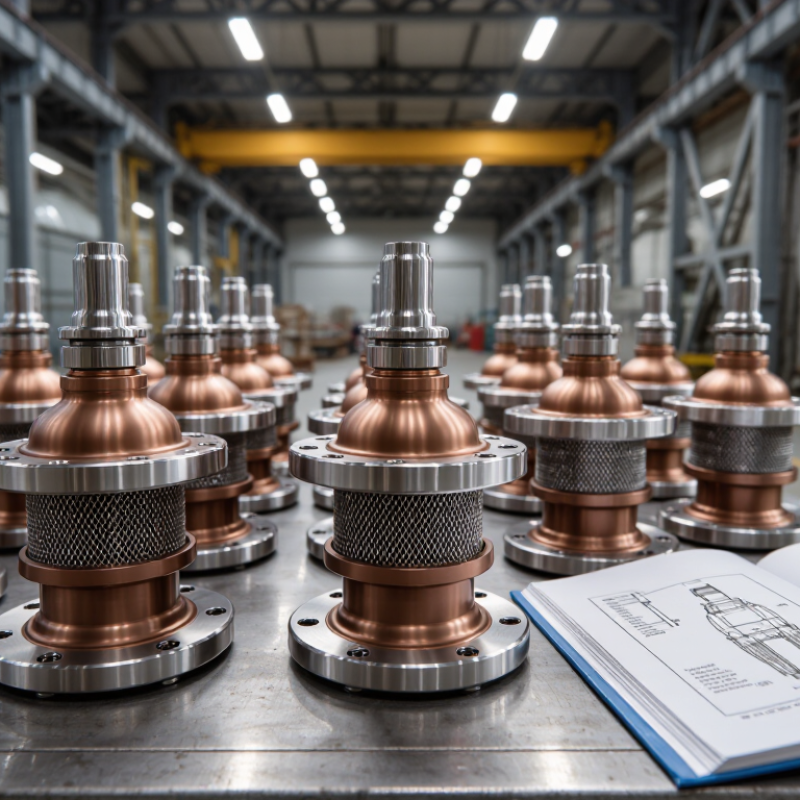
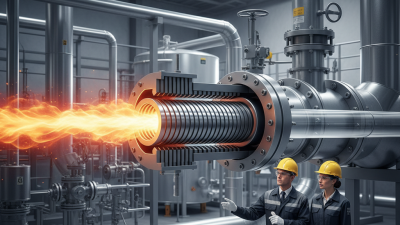
A flame arrester is a passive safety device fitted to a pipe or vent. Its narrow metal passages let gas or vapor flow, while drawing heat from an advancing flame. When the element is correctly matched to the gas and operating conditions, the mixture cools below its ignition temperature. Small passages matter. The device does not stop every hazard: a deflagration and a high-pressure detonation place different demands on its design. ISO 16852:2016 sets performance and test requirements, including limits on use that engineers must check against the actual process.
Common applications include storage-tank vents, process piping, and vapor-recovery systems. An in-line unit may protect equipment along a pipe; an end-of-line unit may be installed at a vent outlet. Selection depends on gas composition, pressure, temperature, flow, and whether the flame could travel from one side or both. NFPA’s report on 2023 U.S. fire experience estimates about 1.39 million fires and $23 billion in direct property damage. These figures cover all fire types, not flame-arrester incidents, but they underline why passive protection deserves careful attention. Fouling, corrosion, or a poor installation can reduce performance. Real systems are messier. Inspection plans and qualified testing matter as much as the metal element itself.
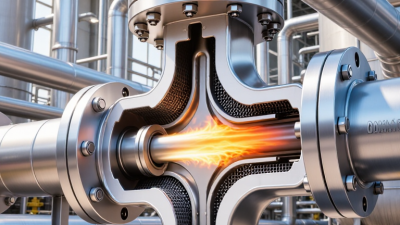
Flame arresters stop flames from traveling through vapor-handling equipment, but the right design depends on the hazard. End-of-line units protect tank vents from external ignition. In-line deflagration arresters are installed in pipes carrying flammable vapor, while detonation-rated models handle flame fronts accelerated by long or obstructed pipe runs. Liquid-seal devices use a liquid barrier; they suit specific process conditions, but require careful level monitoring. Small details matter: pipe length, gas composition, pressure, and installation orientation can change performance.
The U.S. Chemical Safety Board’s Combustible Dust Hazard Study recorded 281 fires and explosions from 1980 to 2005, with 119 deaths and 718 injuries. Those events were not all preventable with flame arresters; dust hazards need separate controls. For vapor systems, ISO 16852:2016 provides performance and test requirements, including testing for deflagration and detonation conditions. Selection should follow the actual gas group, operating temperature, pressure, and likely flame path—not just pipe diameter.
Tips: Check the arrester element for fouling or corrosion during maintenance. A clean-looking housing can hide a blocked element. Confirm that the device’s certified operating limits match the process, and review pressure-drop data before installation. Avoid placing an arrester where routine access is difficult.
When comparing flame arrester manufacturers, start with the actual operating conditions, not a catalogue photo. Record the gas or vapor, expected concentration, temperature, pressure, flow rate, and installation position. An in-line unit and an end-of-line unit do different jobs. The distinction matters. Ask how the manufacturer determines whether a design addresses deflagration or detonation hazards in your system, and request supporting test documentation.
Check that the stated performance matches your process. A fine-element design may affect pressure drop, while deposits or condensate can restrict passages over time. Ask about compatible materials, inspection intervals, cleaning access, and replacement parts. Look for traceable test reports, clear product limits, and technical support that can explain assumptions rather than merely repeat a specification sheet. A useful answer should identify what the product has not been assessed for, too.
Experience at the installation point counts. A compact unit may look suitable on a drawing, yet leave too little room for inspection once pipes, insulation, and supports are in place. Request dimensional drawings and maintenance guidance, then compare them with the site layout. I would not pretend a spreadsheet captures every installation. Real conditions can be messier. Before selecting a supplier, ask for references involving similar media and service conditions, and clarify who will review the final operating data.
| No. | Evaluation Area | What to Verify | Useful Evidence | Buyer Check |
|---|---|---|---|---|
| 1 | Applicable standards and testing | Confirm that the proposed arrester has been designed and tested for the applicable service and relevant requirements, such as ISO 16852. | Product-specific test reports, certificates where applicable, and the standard or edition used for evaluation. | Check that the documentation covers the exact model and configuration being quoted, not merely a similar product family. |
| 2 | Flame transmission protection type | Identify whether the application requires protection against deflagration, detonation, or both. Confirm whether the device is intended for in-line or end-of-line installation. | Technical datasheet stating the tested protection type, installation arrangement, and operating limitations. | Match the arrester type to the credible flame event and piping layout; these types are not automatically interchangeable. |
| 3 | Gas composition and explosion characteristics | Provide the process gas or vapor composition, operating conditions, and relevant explosion properties. Confirm that the tested gas group or test medium is suitable for the service. | Documented gas-group suitability and the basis used to establish applicability to the process mixture. | Do not select on gas name alone. Ask the supplier or a qualified process-safety engineer to review mixtures and changing compositions. |
| 4 | Pressure, temperature, and operating envelope | Check allowable operating pressure and temperature, including expected start-up, shutdown, upset, and vacuum conditions where relevant. | Datasheet limits, pressure and temperature ratings, and clearly stated operating restrictions. | Compare the full operating envelope with the process design conditions, not just normal operating values. |
| 5 | Flow capacity and pressure drop | Evaluate the required flow rate and the pressure loss through the arrester, including the effect of the selected element and installation arrangement. | Flow or pressure-drop curves, stated test conditions, and sizing assumptions. | Confirm that the quoted performance is applicable at the actual gas properties and operating conditions. |
| 6 | Pipework and installation conditions | Review connection size and rating, orientation, upstream and downstream pipe geometry, and any limits on pipe length or fittings. | Installation manual, dimensional drawings, connection details, and configuration-specific limitations. | Check that the proposed location and pipe layout match the arrangement covered by the product documentation. |
| 7 | Materials and process compatibility | Verify compatibility of the housing, flame-arresting element, seals, and fasteners with the process fluid, corrosion conditions, and site environment. | Bill of materials, material specifications, corrosion-resistance information, and seal material details. | Include possible contaminants, moisture, cleaning chemicals, and outdoor exposure in the compatibility review. |
| 8 | Inspection, cleaning, and maintenance | Understand how the element can be inspected and cleaned, and how fouling, corrosion, or deposits may affect performance. | Maintenance instructions, inspection intervals or guidance, and replacement-part information. | Assess access, isolation requirements, and the maintenance workload for the actual site conditions. |
| 9 | Quality assurance and traceability | Review manufacturing controls, inspection practices, material traceability, and procedures for handling nonconforming products. | Quality-system information, inspection records, material certificates when specified, and serial-number traceability. | Define required quality documents and inspection hold points in the purchase specification before ordering. |
| 10 | Technical support and lifecycle service | Evaluate support for application review, installation questions, troubleshooting, spare parts, and product changes over the equipment lifecycle. | Documented support channels, response process, spare-parts details, and current technical documentation. | Confirm who will review the final application data and what support is available in the operating region. |
Selection note: This table is a manufacturer-neutral evaluation guide, not a ranked list or a substitute for a site-specific hazardous-area and process-safety assessment. Flame-arrester performance is subject to documented limits and installation conditions; verify the complete application with qualified personnel.
A useful global shortlist of ten flame arrester manufacturers should begin with application evidence, not catalog claims. Compare whether each supplier can match the arrester type to the actual hazard: deflagration, detonation, or end-of-line flame exposure. The gas mixture, operating pressure, temperature, pipe diameter, and installation position all matter. Details matter. Ask for test documentation, stated operating limits, and clear guidance on inspection and maintenance. Evidence should relate to the specific model, not just the product family.
Look closely at construction and support. Stainless steel may suit a corrosive process, while element geometry affects pressure drop and fouling risk. Request drawings, material specifications, and advice on safe access for cleaning. A technically sound unit can still be a poor fit if it is difficult to inspect. Check whether testing and certifications align with the standards and requirements applicable to the installation; do not assume one certificate covers every configuration. Compare response times, spare-element availability, and the quality of engineering assistance across all ten candidates. Even experienced buyers can overlook site conditions when specifications are incomplete. That is worth revisiting before purchase.
For a global buyer, a certificate is a starting point, not proof that every flame arrester suits a specific duty. ISO’s 2022 Survey recorded more than 1.2 million ISO 9001 certificates worldwide. That scale makes quality-system certification useful, but not distinctive. Check whether the offered model was tested and marked against ISO 16852, and confirm its stated gas group, operating conditions, and installation limits match the process data. Ask for the actual certificate scope and test documentation. Paperwork matters.
Support and reach become visible when a unit needs inspection, replacement parts, or engineering review. Compare local service coverage, response times, spare-parts locations, and technical support across time zones. Request a sample maintenance procedure and a realistic parts lead time, not just a global-office map. Also ask how the supplier handles changes in process conditions; small details, such as condensate or fouled elements, can affect performance. This comparison is imperfect: published service claims rarely show how quickly help arrives at a remote site. Verify references from similar installations, and record any unanswered technical questions before ranking suppliers.
Relevant standards and regulatory frameworks buyers can use when evaluating suppliers. Bars show the year of the listed edition or legislation—not a supplier ranking.
Check each supplier’s current certificates, product-specific test evidence, technical support arrangements, and service coverage directly. Listing a standard here does not imply that any particular manufacturer is certified or compliant.