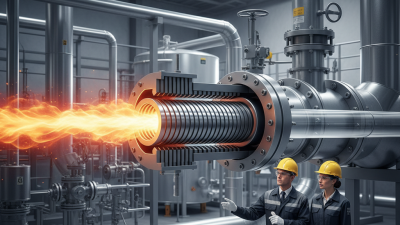
A Deflagration Arrester is a passive safety device designed to stop a flame from traveling through a process line during a deflagration. Its narrow passages absorb heat from the flame front, helping prevent ignition from reaching connected equipment. Small device. Serious duty. It does not eliminate explosion risk or replace sound process design. Performance depends on the gas or vapor, operating conditions, installation position, and maintenance.
ISO 16852:2016 sets performance requirements and test methods for flame arresters, while NFPA 69 addresses explosion-prevention systems. These standards matter because an arrester must be selected for the actual application, not simply for a pipe’s nominal diameter. The U.S. Chemical Safety Board’s Imperial Sugar investigation documented 14 deaths and 36 injuries in a 2008 combustible-dust explosion. That incident was not an arrester failure, but it shows how rapidly fire and pressure can spread through connected process areas. Dr. Sam Mannan, a prominent process-safety expert, emphasized hazard-specific, layered protection in his work. A careful paraphrase of that principle is: “Protection must match the real hazard, not a convenient assumption.” That is worth remembering. A device can look correct on a drawing and still be poorly suited to the mixture, flow, or installation. This guide explains how a Deflagration Arrester works, where it is used, and what to check before specifying one.
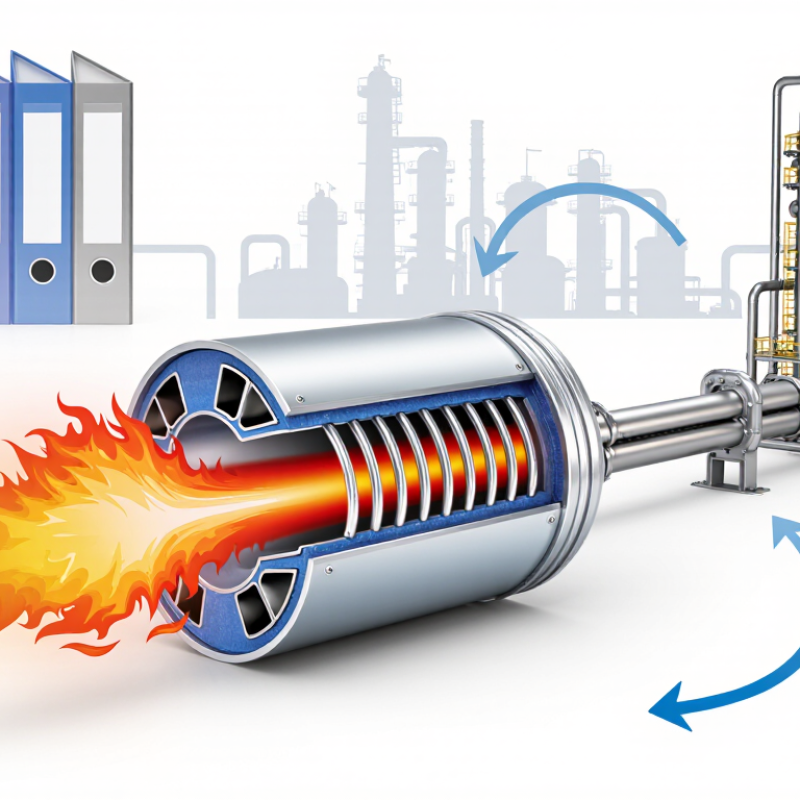
What Is a Deflagration Arrester?
Definition and Core Purpose of a Deflagration Arrester
A deflagration arrester is a tested safety device designed to stop flame travelling through a pipe or vent. A deflagration is a combustion front moving below the speed of sound. Inside the arrester, narrow passages absorb heat from the flame, helping prevent it from igniting fuel downstream. ISO 16852:2016 sets performance and testing requirements for flame arresters. The device’s core purpose is flame transmission control, not pressure relief or ignition prevention.
Industrial incidents show why careful hazard assessment matters. The U.S. Chemical Safety Board’s 2008 Imperial Sugar investigation reported 14 deaths and 36 injuries in combustible sugar dust explosions. That case does not show that a gas-line arrester would have prevented the event. It does underline the consequences of uncontrolled flame spread. An arrester must match the fuel, pressure, temperature, flow, and installation conditions. A wrong type or location can leave a hazard unprotected. Not a magic lid.
Tips: Check the manufacturer’s certified test limits against actual process conditions, and inspect the element for fouling or damage. Confirm whether the hazard involves gas, vapor, or dust; protection methods differ. Keep the relevant drawings and inspection records current. If process conditions change, reassess the selection. Admittedly, routine checks can feel tedious, but small changes in deposits or flow may matter.
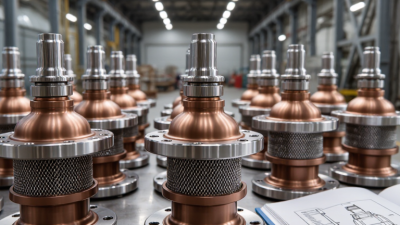
A deflagration arrester is a protective device designed to stop a flame front from traveling through a pipe or vent. Deflagration is a combustion event where the flame moves slower than the speed of sound. Inside the arrester, a flame element divides the flow into narrow passages. These small channels cool the flame and absorb heat from hot gases. If the flame loses enough heat, it can no longer ignite the mixture beyond the element.
The device does not simply block the flow. Gas can pass through, while the flame’s heat is drawn into the metal surfaces. This depends on the gas mixture, flow conditions, and arrester design. Real systems are messier than diagrams. A device suited to one setup may not protect another, and a deflagration arrester is not automatically suitable for detonation conditions. Installation and maintenance matter, too: deposits or damage can affect performance.
Tips: Confirm the expected gas and operating conditions with a qualified engineer. Keep the flame element clean and inspect it as specified. A quick visual check may miss internal damage.
A deflagration arrester stops a flame from passing through a pipe or opening while allowing gas to flow under normal conditions. Its narrow passages remove heat from the flame front. The gas mixture, pressure, pipe size, and installation location all affect its design.
An end-of-line arrester mounts at a vessel vent or pipe outlet. It is intended to stop a flame approaching from the exposed side.
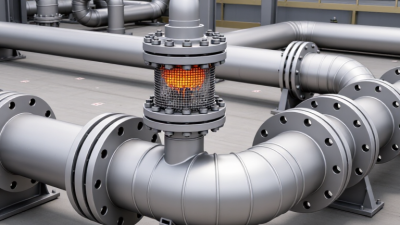
An in-line arrester sits between connected sections of pipe, where a flame may travel through a confined system. Its housing and flame-arresting element must suit the expected direction of propagation and operating conditions.
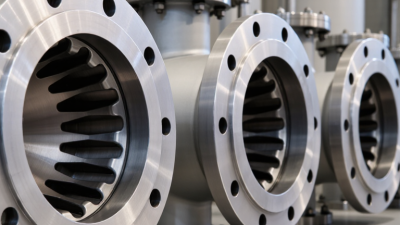
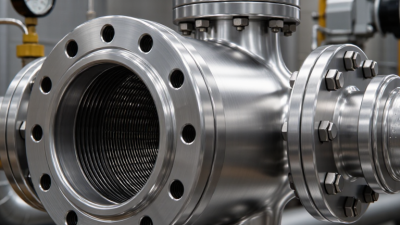
Some units use layered, crimped metal ribbons to create many small passages. Others use different porous elements. The passages must quench flame without creating excessive flow resistance.
Small details matter. A fine element can be harder to clean if vapors leave deposits. A more open element may offer less resistance, but suitability depends on the gas and hazard assessment. There is no universal best choice. Selection should follow verified operating data, and the device needs inspection for corrosion, blockage, or damage. A drawing alone cannot tell you how a unit will perform in a dirty, vibrating installation.
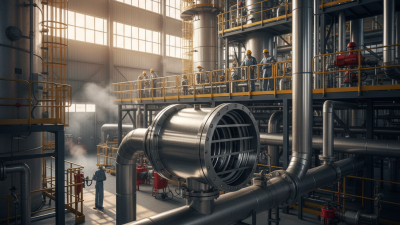
A deflagration arrester is installed in a pipe or vent path to stop a flame from travelling through a flammable gas or vapor mixture. In industrial systems, common locations include storage-tank vapor lines, loading connections, and process equipment vent piping. A mesh or narrow-channel element cools the flame as gas passes through. The arrester must match the gas, pressure, temperature, and expected flame direction; a mismatched unit may not provide the intended protection.
Placement matters. For example, a tank connected to vapor-recovery piping may need protection near a potential ignition source, while a process line may require an arrester close to equipment. Engineers also check pipe length, bends, flow, and whether the flame could accelerate before reaching the device. Small details count. A blocked element can restrict flow, so inspection and cleaning belong in the maintenance plan. That boundary is easy to overlook.
The U.S. Chemical Safety and Hazard Investigation Board’s 2006 Combustible Dust Hazard Study recorded 281 dust incidents, 119 deaths, and 718 injuries from 1980 to 2005. These figures describe dust incidents, not arrester performance, but they underline the stakes of controlling flame propagation. Dust systems need devices specifically designed and tested for dust explosion isolation; a vapor-line arrester is not a substitute. Selection should follow a documented hazard assessment and applicable standards, with operating conditions verified on site.
| Industrial Application | Typical Combustible Atmosphere | Common Installation Point | Protection Objective | Important Selection Considerations |
|---|---|---|---|---|
| Storage tank venting | Flammable vapor mixed with air in or around a tank vent system | In a vent line or at a vent outlet, as specified by the system design | Stop a deflagration flame from propagating through the protected vent path | Assess vapor composition, expected flow, pressure and temperature, and whether the installation is an end-of-line or in-line configuration. |
| Solvent vapor recovery | Solvent vapors, such as those from handling or storage operations, mixed with air | On vapor-transfer piping between process equipment and a recovery or treatment system | Limit flame propagation between connected equipment during a deflagration event | Confirm the applicable gas group and operating conditions; account for piping layout, potential flame run-up, and pressure drop. |
| Biogas and anaerobic digestion systems | Biogas, commonly containing methane and carbon dioxide, with possible air ingress | On gas piping or vent lines where a flammable mixture may be present | Prevent flame travel through a designated section of the gas system | Consider gas composition, moisture and contaminants, pressure, temperature, and the possibility of condensation or fouling. |
| Landfill gas collection and treatment | Methane-containing landfill gas that may form a flammable mixture when mixed with air | At selected points in collection, conveyance, or treatment piping | Provide a flame-arresting barrier between connected parts of the system | Verify the actual gas mixture and flow conditions, and evaluate the full piping configuration rather than selecting by gas name alone. |
| Process vessel and reactor vent systems | Flammable process vapors or gases released from equipment | In a vent connection or associated exhaust line, where permitted by the process design | Reduce the risk of flame propagation into or out of protected equipment | Check whether the hazard is a deflagration or detonation scenario; a deflagration arrester is not automatically suitable for detonation protection. |
| Dust-handling equipment with connected gas paths | Combustible dust clouds or hybrid mixtures involving dust and flammable gas or vapor | On connected ducts or equipment only when the device is specifically suitable for that hazard | Address flame propagation in the conditions covered by the arrester’s design and approval | Many gas/vapor arresters are not designed for dust or hybrid mixtures. Confirm suitability with a qualified hazard assessment and applicable standards. |
| General process-gas transfer lines | Flammable gases or vapors conveyed through interconnected process equipment | In-line, between equipment items or at a defined system boundary | Interrupt flame propagation along a specified pipe section | Selection depends on flame-propagation characteristics, pipe geometry and length, operating limits, and the tested configuration of the device. |
What Is a Deflagration Arrester?
Installation, Inspection, and Selection Considerations
A deflagration arrester is a tested device that stops flame propagation through a pipe or vent during a rapid, subsonic combustion event. Selection starts with the process, not the pipe size. Identify the gas or vapor, operating pressure and temperature, pipe layout, and likely flame direction. ISO 16852 sets test methods and limits of application for flame arresters; check the certificate against actual service conditions. A matching connection alone proves little.
Install the unit in the tested orientation and position. Keep the approach piping, supports, and nearby valves consistent with the manufacturer’s approved arrangement. Heat, vibration, corrosion, or liquid pooling can affect performance. Inspection intervals should reflect fouling and corrosion risks, not just calendar convenience. Record the element condition and pressure drop. If the process changes, reassess the selection. The drawing is often cleaner than the plant.
Tips: Confirm gas group and operating limits before ordering. Leave safe access for inspection. Never assume a clean-looking element is unobstructed. The CSB’s Imperial Sugar investigation reported 14 deaths and 36 injuries in combustible-dust explosions. It was not a vapor-arrester case, but it underscores why safeguards and housekeeping need real attention, not just paperwork.