How to Select the Right Pressure Vacuum Relief Valve?
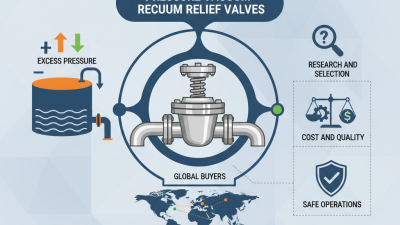
Selecting the right Pressure Vacuum Relief Valve is crucial for ensuring safety and efficiency in various applications. John Smith, an industry expert with over 25 years of experience, once stated, "Choosing the correct valve can prevent serious safety hazards and operational failures."
Understanding the specific needs of your operation is vital. Not all Pressure Vacuum Relief Valves are created equal. Different applications have unique pressure and temperature requirements. This can make the selection process daunting. Factors such as flow rates, materials, and service conditions must be carefully evaluated.
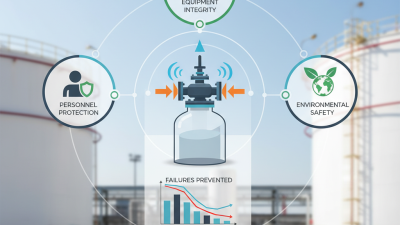
It’s essential to collaborate with trusted suppliers and experts. Many companies rush this crucial decision. This can lead to costly mistakes. An improper selection may result in equipment damage or safety risks. Reflecting on past experiences can guide better choices. The importance of a reliable Pressure Vacuum Relief Valve cannot be overstated, as it plays a critical role in protecting both personnel and equipment.
Understanding the Functionality of Pressure Vacuum Relief Valves
Pressure vacuum relief valves play a crucial role in maintaining safe operations in various industries. They prevent the buildup of excessive pressure and vacuum that can compromise the integrity of storage tanks and other systems. Understanding how these valves function is essential for selecting the right one for your application.
These valves operate by allowing air to enter or exit a tank when pressure changes occur. When the pressure inside a tank drops below atmospheric pressure, the valve opens to let air in, preventing a vacuum that could lead to structural failure. Conversely, if pressure rises dangerously high, the valve releases excess pressure, protecting against potential explosions.
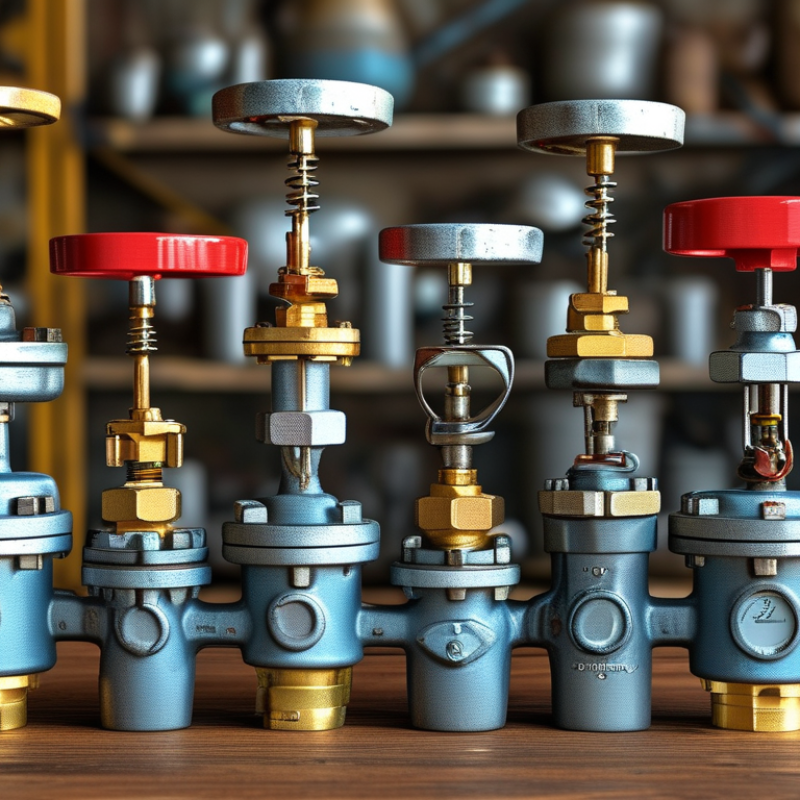
Choosing the right valve isn't straightforward. There are various designs, each with specific features tailored to different scenarios. One must consider factors like tank size, contents, and environmental conditions. A common mistake is underestimating the necessity of proper installation. Even the best valve can fail without proper attention to installation details. Understanding these aspects helps ensure safety and reliability in operations.
Pressure Vacuum Relief Valve Selection Criteria
Identifying Key Selection Criteria for Pressure Vacuum Relief Valves
When selecting a pressure vacuum relief valve, understanding the key criteria is vital. The valve's set pressure affects its performance directly. The American Petroleum Institute (API) recommends that the valve should have a minimal operating flow rate to avoid over-pressurization. A properly-rated valve reduces the risk of equipment failure, ensuring system integrity.
Materials used in valve construction are equally important. Corrosion resistance can enhance the longevity of the valve. For instance, a study indicated that carbon steel valves can last significantly shorter than those made from stainless steel. Additionally, consider the temperature rating. In some cases, valves might fail if exposed to temperature extremes beyond their specifications.
Another aspect to evaluate is the valve maintenance requirement. Regular inspections and servicing can prevent unexpected failures. Industry reports indicate that about 20% of valve failures result from inadequate maintenance. Simple design features can make a valve easier to service, minimizing downtime. It is essential to weigh these characteristics against your specific operational needs for a well-informed choice.
Evaluating Material Compatibility and Durability in Valves
Selecting the right pressure vacuum relief valve is crucial for operational safety. Material compatibility is a key aspect of this selection process. Valves often come into contact with various chemicals and substances. Understanding the properties of these materials helps prevent chemical reactions that can weaken the valve or cause leaks.
For instance, not all metals are suitable for corrosive environments. Stainless steel is a common choice, but there are situations where it may not resist certain acids. In those cases, options like titanium or specialized alloys might be necessary. It's essential to evaluate the specific materials that will interact with the valve over time.
Durability is another critical consideration. Valves must withstand pressure changes and potentially harsh conditions. The environment affects how materials age and respond. For example, UV exposure can degrade some plastics. This can lead to unexpected failures. Regular inspections can help identify wear and tear, but choosing robust materials from the start is even better. Always reflect on the long-term performance when selecting components. Each detail in material selection can significantly impact overall system reliability.
Analyzing Flow Requirements and Pressure Ratings
Selecting the right pressure vacuum relief valve requires careful analysis of flow requirements and pressure ratings. Start by determining the maximum and minimum flow rates your system demands. These rates influence the valve size and type. For instance, larger systems need valves capable of handling higher flow without delay.
Consider the pressure ratings as well. The valve should operate within the full pressure range of your system. If your application experiences fluctuating pressures, look for valves designed to handle these variations. Proper fitting ensures safety and efficiency during operations, which reflects on the system's overall performance.
When evaluating valves, look at material compatibility too. Ensure that the valve materials align with the fluids they will encounter. Think about the potential for corrosion or damage over time. Regular maintenance checks can help catch wear and minimize risks.
Pressure vacuum relief valves play a crucial role in protecting storage tanks. An improper selection can lead to costly failures. Reflect on your specific needs and consult with professionals if necessary. Understanding your system's requirements is key to making an informed choice.
Considering Industry Standards and Compliance for Safe Operation
Selecting the correct pressure vacuum relief valve involves adhering to industry standards and ensuring safety in operation. Compliance with relevant standards is paramount. Often, organizations refer to guidelines from national and international bodies. These standards address key performance metrics, testing procedures, and material specifications.
In many industries, a pressure vacuum relief valve is essential for managing pressure changes in tanks. Non-compliance can lead to catastrophic failures, with serious safety implications. Operators should examine the specific standards relevant to their field. For example, the American Petroleum Institute has detailed requirements for oil and gas operations. Each industry has nuances that affect valve selection.
Furthermore, frequent audits and inspections are crucial to ensure compliance. This involves reviewing maintenance records and valve performance. A lack of regular evaluation can expose a facility to risks. Each month, teams should assess whether their existing valves meet current standards. This practice may reveal overlooked issues in design or function. Ultimately, a proactive approach enhances both safety and compliance. Embracing this mindset can significantly reduce potential hazards in operations.
How to Select the Right Pressure Vacuum Relief Valve?
| Criteria |
Description |
Industry Standards |
Compliance |
| Valve Type |
Select between pressure relief, vacuum relief, or combo valves based on application needs. |
API 2000 |
Ensure it meets relevant API standards. |
| Set Pressure |
Determine the operational pressure to select a valve with the correct set point. |
ASME BPVC |
Verify compliance with ASME code requirements. |
| Material |
Choose materials suitable for the fluids being handled (corrosion resistance, temperature ratings). |
ASTM Standards |
Ensure materials meet ASTM specifications. |
| Connection Type |
Ensure compatibility with existing piping or equipment (threaded, flanged, etc.). |
ANSI/ASME B16.5 |
Check for compliance with the ANSI/ASME standards. |
| Testing Procedures |
Valves should be tested for leaks, operation, and endurance. |
ISO 5208 |
Ensure valves are in compliance with ISO testing procedures. |