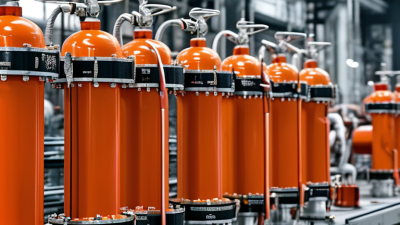
Top 10 Hydrogen Flame Arrestor Manufacturers in 2026
Hydrogen is clean at the point of use, but it demands disciplined ignition control. Its small molecules can escape through tiny gaps, while its broad flammability range increases the consequences of poor equipment selection. A Hydrogen Flame Arrestor helps prevent flame propagation through vents, piping, and process connections. However, it is not a universal safety solution. Correct sizing, installation, inspection, and system compatibility remain essential.
Dr. Daniel A. Crowl, a recognized chemical process safety author and hydrogen safety educator, has stated, “Hydrogen has a wide flammability range and a low ignition energy.” This principle explains why flame arrestor design must match real operating conditions. Pressure, temperature, gas velocity, pipe diameter, and hydrogen concentration can change performance. Small details matter. A blocked vent can create dangerous pressure. An unsuitable element can increase flow resistance. Neither issue is visible from a product brochure.
This Top 10 Hydrogen Flame Arrestor Manufacturers in 2026 guide examines manufacturers through practical and technical criteria. These include tested designs, material quality, certification evidence, service support, maintenance guidance, and experience with hydrogen applications. It also considers whether suppliers provide clear data for pressure drop and flame speed limits. A strong reputation is useful, but it is not proof of suitability. Some rankings may remain debatable. That is intentional. Buyers should verify every claim against project specifications, independent test documentation, and qualified engineering review. The safest choice is rarely the cheapest or most familiar option. It is the one that fits the complete system.
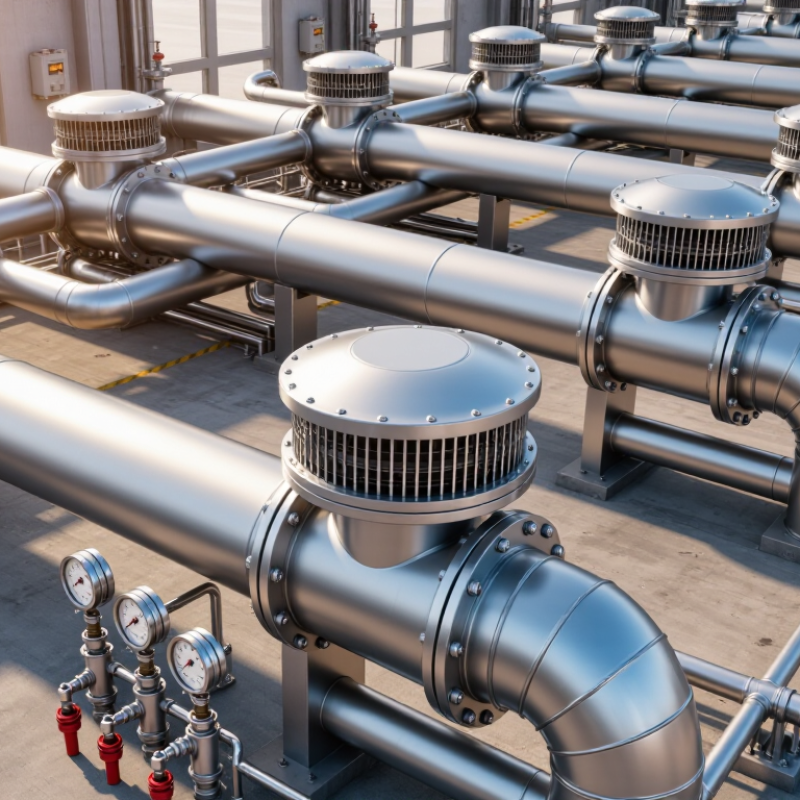
Hydrogen Flame Arrestors: Purpose, Design, and Operating Principles
Hydrogen flame arrestors protect equipment from flame travel through vents, pipelines, and process connections. Hydrogen burns quickly because its molecules diffuse easily and ignite across a wide concentration range. A properly selected arrestor interrupts that path before combustion reaches a protected vessel. It is not a pressure relief valve.
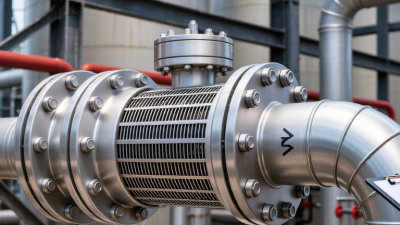
Most units use a metal element containing narrow passages. During a flashback, the flame enters these passages and loses heat to the metal surface. The local temperature then falls below the level needed to sustain combustion. The element also disrupts the flame front. Some designs address deflagration, while stronger systems are engineered for detonation pressures. The difference matters greatly.
Design work should consider hydrogen concentration, flow velocity, pressure, temperature, pipe diameter, and installation distance from the possible ignition source. A small passage can quench flames effectively, but it can also create unwanted pressure loss. Field engineers should verify the actual operating conditions, not rely only on a catalog rating. That assumption can fail.
Inspection is practical and necessary. Dust, corrosion, ice, or condensed liquid may block the element and change its performance. During maintenance, technicians should check cleanliness, fasteners, gaskets, and damage from previous events. No arrestor is maintenance-free. Even a correct design may perform poorly when installed backward, too far away, or beside turbulent pipe fittings. Testing and documented inspection records improve confidence, although they cannot replace sound engineering judgment.
Top 10 Hydrogen Flame Arrestor Manufacturers in 2026 – Hydrogen Flame Arrestors: Purpose, Design, and Operating Principles
Hydrogen has a wide flammability range in air, approximately 4–75% by volume. Its commonly cited detonation range is approximately 18.3–59% by volume, while the stoichiometric hydrogen–air concentration is about 29.6%. These characteristics explain why flame arrestors use carefully engineered elements and why deflagration and detonation protection must be evaluated separately. The values shown are general physical safety references and are not product ratings.
Key Criteria for Evaluating Manufacturers in 2026
When comparing the Top 10 Hydrogen Flame Arrestor Manufacturers in 2026, start with verified performance evidence. The IEA’s Global Hydrogen Review 2024 reports nearly 97 million tonnes of hydrogen production in 2023. However, low-emissions hydrogen remained below 1% of global output. This expanding infrastructure increases the need for tested protection equipment. Look for certification against ISO 16852, clear test conditions, and documented limits for pressure, temperature, and gas composition. A product rated only for generic hydrocarbons may not suit hydrogen service. Hydrogen travels quickly through narrow gaps.
Material engineering also deserves close inspection. Ask whether the manufacturer evaluates hydrogen embrittlement, seal ageing, corrosion, and repeated pressure cycles. Independent laboratory reports are stronger than marketing claims. Request traceable serial numbers, calibration records, and failure-response procedures. The Global Hydrogen Review 2024 also highlights growing project activity, but many projects remain early-stage. That matters. A supplier with impressive projections may have limited operating experience. Field references, maintenance intervals, spare-part availability, and technical response times reveal practical reliability.
Tips: Compare identical test conditions across suppliers. Check flame-speed assumptions carefully. Review drawings with a process engineer. Do not accept “hydrogen-ready” without evidence. A useful scorecard can assign weight to certification, test quality, materials, service, and total ownership cost. Pricing still matters, but the cheapest arrestor can create expensive shutdowns. I would also challenge overly precise lifetime claims; real gas mixtures, vibration, and installation errors can change performance. Review the evidence annually.
Comparing Technologies, Certifications, and Product Capabilities
Top 10 Hydrogen Flame Arrestor Manufacturers in 2026
A credible 2026 comparison should examine technology, certification, and field capability together. The IEA’s Global Hydrogen Review 2024 estimates global hydrogen demand reached about 97 million tonnes in 2023. Yet low-emissions hydrogen represented less than 1% of production. This growing infrastructure increases the need for tested protection around storage, compression, and transfer systems.
The strongest manufacturers typically offer deflagration and detonation arrestors, not one universal design. Sintered-metal elements can provide compact protection, while crimped-ribbon designs may support higher flow rates. Hydrogen’s very low ignition energy, approximately 0.017 millijoules, makes response time and flame-path control critical. Small details matter. Compare pressure loss at the actual hydrogen flow rate, not only laboratory air data.
Certification should include test evidence under ISO 16852, with hazardous-area suitability supported by IECEx or ATEX documentation where applicable. Pressure equipment compliance may also involve the relevant regional pressure regulations. The U.S. National Fire Protection Association identifies hydrogen-specific hazards in NFPA 2, including leak control and ventilation requirements. Product capability also means material compatibility, temperature range, remote monitoring, replacement intervals, and documented inspection procedures. I would not rank certification alone. A polished datasheet can still hide weak service support or incomplete hydrogen testing. That is where many comparisons become imperfect. Each manufacturer should disclose test media, explosion class, installation limits, and independent laboratory involvement.
Choosing the Right Manufacturer for Hydrogen Applications
Choosing the Right Manufacturer for Hydrogen Applications
A top-ten list can guide research, but it cannot replace engineering judgment. Hydrogen burns quickly and travels through small gaps, so flame arrestors need precise, application-specific design. Choose a manufacturer with proven hydrogen testing experience, not only general process-equipment experience. Ask for test data covering hydrogen concentration, pressure, temperature, flow direction, and flame type. Reliable suppliers explain their limits clearly.
Review the arrestor’s material compatibility, housing strength, pressure-drop data, and maintenance requirements. Stainless steel may suit many systems, but the correct grade depends on moisture, contaminants, and operating temperature. Confirm whether the unit protects against deflagration, detonation, or both. Certification should match the installation environment and relevant technical standards. Vague certificates are warning signs.
Tips:
Share complete process details before requesting a quotation. Include pipe diameter, expected flow, pressure, temperature, and possible ignition sources. Ask how the manufacturer cleans, inspects, and replaces the element. Request references from comparable hydrogen installations, while remembering that one successful project proves little. A factory visit or technical review can reveal practical quality differences. I would also question unusually low prices; however, high cost alone does not prove better protection. Some specifications remain uncertain until the system is tested. That uncertainty deserves careful documentation.